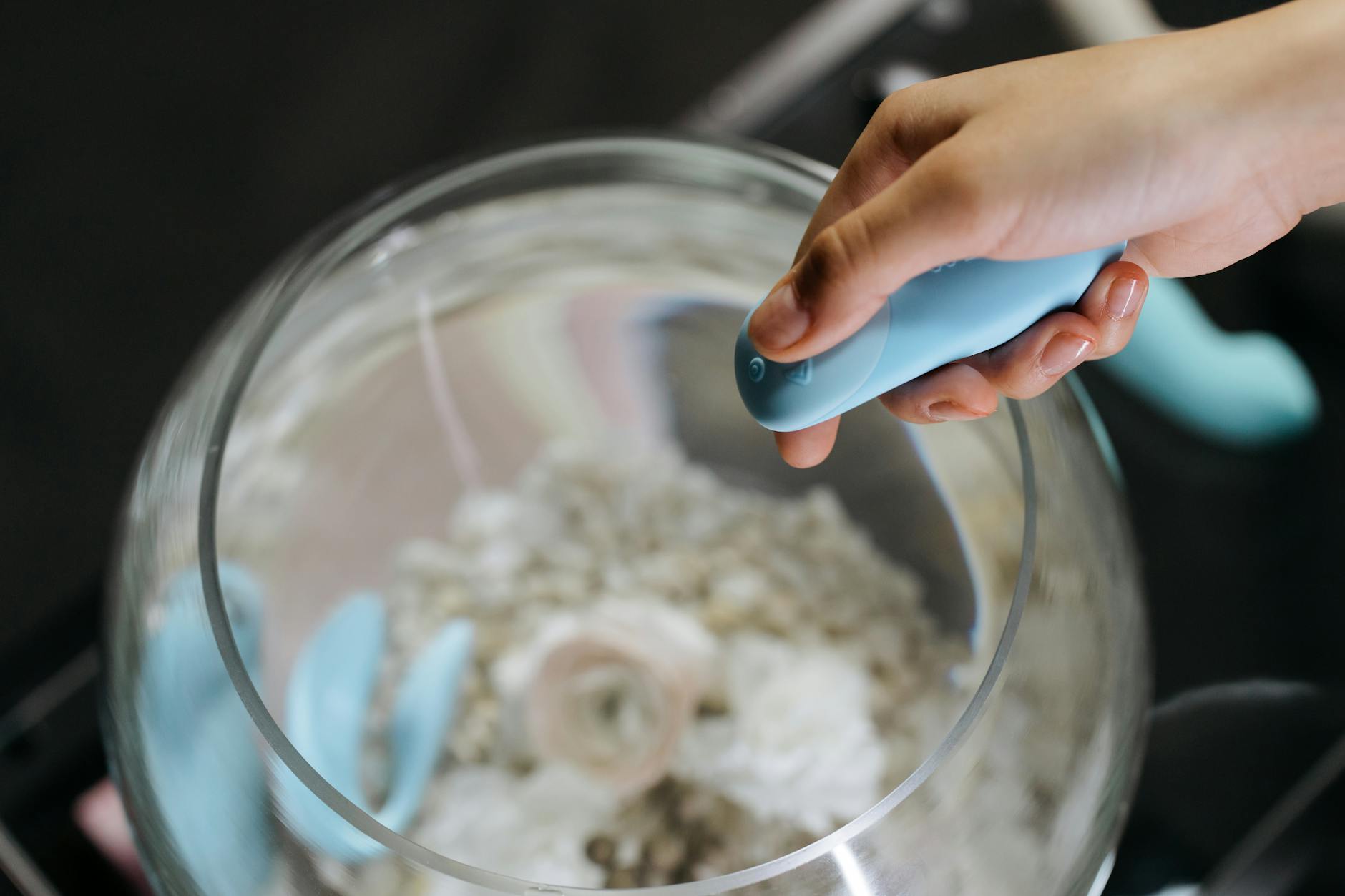
When your partner says "I want to try toys with you"
Your stomach dropped. Maybe you felt rejected. Maybe you thought it meant your body wasn't enough, or that you weren't satisfying them. Maybe you wondered if they'd been watching something they shouldn't, or if something was wrong with your sex life that you'd missed.
That reaction is so human it's almost universal. And it's almost never what your partner actually meant.
Here's what's usually happening on their side
Your partner brought this up because they want more of you, not less. They want to feel closer, experience something new together, or help you feel better. The actual motivations are usually three things:
1. They want to see you come harder. A lemon clitoral vibrator like the Lem works through suction and pulse, which stimulates the clitoris in a way that fingers or penis alone often don't. Your partner watching you have an intense orgasm is genuinely hot to them. This isn't about replacing them. It's about expansion.
2. They've noticed you struggling. If you take forever to orgasm, or if you fake it sometimes, or if arousal is unreliable, they feel it. Not as judgment. As concern. They want the friction to dissolve so sex can be about connection again instead of performance.
3. They want permission to stop trying so hard. This one rarely gets said out loud, but it's crucial. Many partners exhaust themselves trying to be everything. A toy gives them permission to relax, to enjoy the experience instead of white-knuckling through it.
Why your hesitation is actually valid
Listen. Your reaction to "let's get a toy" isn't insecurity. It's a legitimate signal that something needs unpacking.
In most long-term relationships, toys get introduced at a moment when one person feels stuck. Could be physical (pain, numbness, arousal taking forever). Could be emotional (desire gap, disconnection, routine). Rarely is it pure playfulness. So when your partner suggests it, your brain correctly identifies that something changed, and you want to know what.
That's not you being difficult. That's you being wise.
The problem is that you're asking "Why do you want a toy?" when you actually need to ask "What's been feeling off to you lately?" Those are completely different conversations.
The conversation to have instead
Set a time. Not during sex, not in bed. Just tell them you've been thinking about what they said, and you'd like to understand more.
Then ask:
"What would feel better or different with a toy?"
"Is there something about our sex life right now that doesn't feel connected to you?"
"What do you hope would change?"
Listen without defending. If they say "I want you to come more easily," that's not "you're broken." That's "I want sex to feel easier for you." If they say "I miss feeling adventurous with you," that's not "you're boring." That's "I want us to explore together."
Here's what often happens: you realize the toy was never the point. The toy was the solution to a problem you both felt but hadn't named.
How a lemon vibrator actually changes the dynamic
Let's say you move forward. You get a lemon clitoral vibrator. What shifts?
First: arousal becomes more reliable. With the Lem's suction and pulse patterns, you're not waiting 20 minutes for your body to catch up. That's not about the toy being magic. It's about physiology. The toy is more efficient at nerve stimulation than most manual techniques. That means more time for actual connection and less time watching the clock.
Second: you're not performing anymore. When you're worried about taking too long, you tense up. When you're tense, arousal gets worse. It's a spiral. With a toy, you can relax into it. Your partner gets to watch you actually enjoy yourself instead of grinding through it. That's intimacy. Real intimacy.
Third: your partner's anxiety about "being enough" drops. Weird but true. Once they see that the toy unlocks something, they stop trying to be the toy. They can just be your partner. You might use the lemon vibrator during foreplay, or they might hold it while you're together. Either way, it becomes a tool for you both, not evidence that you needed replacing.
The part nobody talks about: it might not fix what's actually broken
Here's the honest version. If the real issue is that you've stopped talking, or that you feel distant, or that resentment is sitting between you, a toy won't fix that.
A toy is useful when the issue is physical. Desire gap, arousal difficulty, sensation trouble. It's not useful when the issue is emotional disconnection.
Before you buy anything, get clear on what you're actually solving for. If your partner brought up toys because sex has felt like a chore, that's a great signal to try one. If they brought it up because you haven't had sex in months and the relationship feels cold, a toy is a band-aid. You need a conversation with a therapist.
I say this as someone who's seen both scenarios. The couples who integrate toys successfully have usually had the hard conversation first. The conversation about desire, about what's changed, about whether you're both still committed to this.
If you do want to try: how to start
One. Don't buy it alone and surprise them. Pick it together, or at least agree on which one.
Two. Use it in a way that feels natural to you. If you want them involved, great. If you want to use it solo first to feel less self-conscious, that's also fine. No rules.
Three. The lemon clitoral vibrator works best with a water-based lubricant. Start at the lowest intensity setting. You're not trying to prove anything. You're just exploring.
Four. Don't turn it into a performance. If you don't come, that's fine. If you feel awkward the first time, normal. Your brain is learning that pleasure + partner + toy = safe. That takes a few tries.
What you might discover
Many people who were hesitant about toys report the same thing a few weeks in: sex became fun again. Not transcendent. Just fun. Less anxiety. More laughter. More actual desire instead of obligatory desire.
Your partner might discover that they enjoy watching you with the toy more than they enjoy anything else you do together. Your body might discover that it can orgasm in ways you didn't think were possible. You might find that vulnerability around this one thing opens up vulnerability in other parts of your relationship.
Or you might try it once and decide it's not for you, and that's equally valid.
The point isn't that lemon vibrators solve relationships. The point is that they create a space for honest conversation and genuine exploration. That's worth trying.
FAQ
Will using a toy make my partner less interested in regular sex with me?
Completely the opposite. What usually happens: once you feel free to experience pleasure the way your body actually works, sex with your partner feels better too. You're more relaxed, more present, less in your head. Your partner gets more of you, not less.
What if I feel embarrassed using a toy in front of my partner?
Embarrassment is just your nervous system flagging something as "new." That's normal and temporary. Start with the lights dim. Use it alone a few times first. Let your partner be in the room but not watching directly. Build comfort gradually. And remember: your partner's already seen your naked body and heard your real orgasm sounds. This isn't more vulnerable. It's just different.
Can my partner use the lemon vibrator on me, or do I have to do it myself?
Either. The Lem's design works great when your partner holds it. Some people find that's actually more intimate because your hands are free to hold them, or because you're not managing the toy yourself. Experiment and see what feels better.
Will a toy like the Lem actually make me come faster?
For most people, yes. The suction technology of lemon clitoral vibrators stimulates nerve endings more efficiently than other methods. But "faster" isn't the goal. "Easier and more reliably" is. That might mean you come in 10 minutes instead of 30, or it might just mean you're not anxious about whether it'll happen at all.
What if I try a toy and I still don't enjoy sex with my partner?
Then the toy isn't the problem. That's valuable information. You might need to talk to a therapist about what's actually going on. Could be medical, could be emotional, could be that you're not compatible anymore. A toy can't fix fundamental incompatibility. But it can help you see whether the issue is physical or something deeper.
How do I bring this up again if my partner suggested it and I shut it down the first time?
Be honest. "I was defensive when you mentioned it, and I've been thinking about why. I'd like to talk about it more if you're open to it." That's it. Most partners who've brought up toys are relieved when you circle back. It signals that you're willing to try, and you've done the emotional work to get there.
If you're genuinely interested in exploring together, start by <a href="/blog/how-to-use-lemon-vibrators-with-a-partner-during-foreplay">learning how lemon vibrators actually work in foreplay</a>. That post walks through the practical stuff. But first, have the real conversation. Get curious about what your partner actually wants, not what you're afraid they mean. That's where the magic happens.