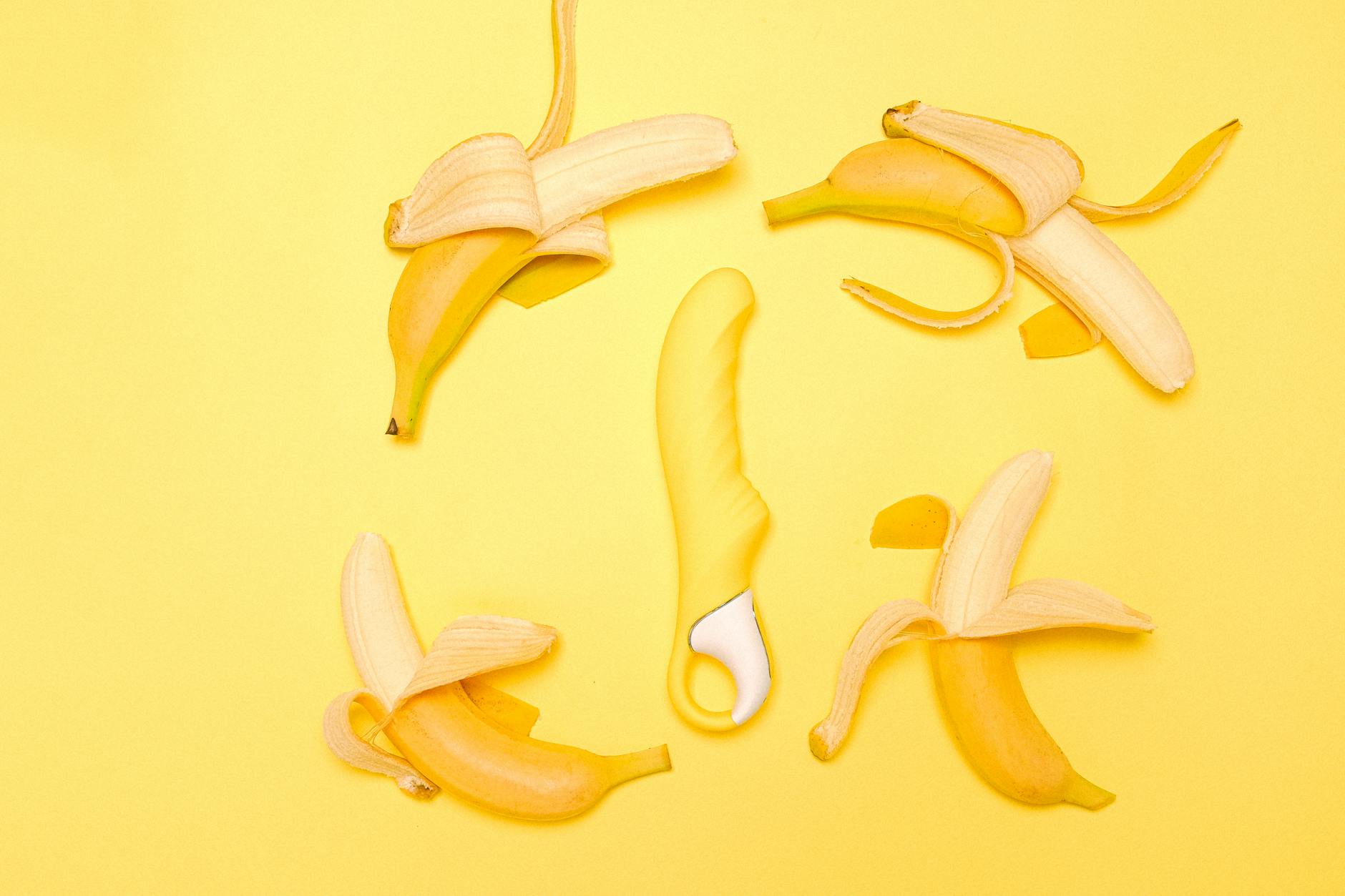
Let's be real about stress and sex
When your relationship is tense, your body knows it before your mind does. Unresolved conflict, constant criticism, or the low-level dread of walking on eggshells doesn't just make you want to avoid your partner. It makes you want to avoid yourself. Your nervous system goes into overdrive. Cortisol stays high. And desire. Desire just vanishes.
You're not broken. This is how mammalian bodies work. Sex requires safety, presence, and a certain amount of mental space. Stress evicts all three.
Why stress actually kills desire (the physiology)
When you're in chronic conflict, your sympathetic nervous system stays activated. That's your fight-or-flight mode. Meanwhile, your parasympathetic nervous system, the one that allows arousal to happen, gets shoved to the background. Your blood isn't flowing toward your genitals. It's pooling in your core and limbs, ready for threat.
Additionally, cortisol and adrenaline actively suppress dopamine and testosterone. Both are essential to wanting sex. So when you're stressed about your relationship, your brain is literally producing fewer of the chemicals that make sex feel appealing.
Add that to the emotional piece. If you don't feel heard or valued by your partner, your body registers that as a safety threat. Arousal can't happen in an environment where you don't feel safe. Your body is doing exactly what it's supposed to do.
The bridge tool: clitoral vibrators when intimacy feels impossible
Here's the thing about lemon vibrators and other clitoral toys. They're not a solution to your relationship problem. But they can be a solution to the neurological one.
When you use a lemon clitoral vibrator solo, you're doing something radical. You're telling your nervous system that pleasure is safe. You're reintroducing dopamine without the emotional labour of managing your partner's needs, your own performance anxiety, or the weight of unresolved conflict.
For people whose desire has completely flatlined after months or years of relationship stress, this matters. You need to rebuild the neural pathways for arousal independent of your relationship. A quality lemon sucker or lem vibrator does that efficiently because the suction stimulation is direct, consistent, and doesn't require the kind of mental presence that traditional vibrators do.
Why lemon clitoral vibrators work better when stress has numbed you
When stress has flattened your sensation, you need stronger, more specific stimulation. Penetration or broad wand vibration doesn't cut it. Your nervous system has downregulated. It needs a signal it can't ignore.
Lemon vibrators use air-pulse technology. Instead of constant vibration, they apply rhythmic suction to the clitoral complex. That's a different kind of stimulation. It wakes up nerve endings that have gone quiet. For people rebuilt their arousal after prolonged stress, this specificity is exactly what works.
The lem vibrator, for example, has multiple intensity patterns. You start at level one or two. Not because you're easing in for pleasure, but because your body genuinely needs to relearn how to feel. As your nervous system recalibrates, you can turn it up.
Many people report that after weeks of solo practice with a lemon clitoral vibrator, they feel desire returning. Not for their partner yet. For themselves. That's the bridge. You rebuild your own pleasure first. Then, if the relationship is worth saving, you figure out how to share that with your partner.
The solo practice that actually helps
When you're using a lemon vibrator during a period of relationship stress, you're not looking for the fastest orgasm. You're looking for presence.
Set aside twenty minutes when you're genuinely alone. Not fifteen minutes squeezed in. Not while half-listening for your partner. When you have space.
Start with no specific goal. No orgasm target. Use the device at low intensity and notice what sensations you feel. Where does stimulation feel numb. Where does it start to wake up. This is information. Your body is telling you where the stress has shut you down most completely.
This practice does two things. First, it literally reactivates the neural pathways for pleasure. You're building those connections back through repetition. Second, it gives you time in your own body without performance pressure. That's something stress takes away completely. You've been managing your partner's mood, your own anxiety, the temperature in every room. Solo practice is where you get to just exist as someone with sensation again.
After two or three weeks of this, many people start feeling desire emerging. Sometimes for themselves. Sometimes, eventually, for their partner. But the solo foundation matters first.
What rebuilding desire actually looks like
If your relationship stress is improving, here's what to expect. Desire doesn't return overnight. It returns in waves. One day you feel a flutter. Then nothing for a week. Then suddenly you're curious about your body again.
When you're ready to involve your partner, lemon clitoral vibrators can help there too. The suction sensation is less intense than a wand vibrator. If your partner is inside you during penetration and you're using a clitoral vibrator, the sensation is additive but not overwhelming. For people whose nervous systems are still partially in stress mode, that gentler approach often works better than heavy vibration.
But first comes the solo work. That's non-negotiable. You can't jump straight from stress-flattened desire to partnered sex and expect it to work.
When to get outside help
If your relationship stress is ongoing and unresolved, a sex toy is a band-aid. It's a useful one. It rebuilds your capacity for pleasure. But it doesn't fix the thing that shut your desire down in the first place.
Consider couples therapy. Not because your sex drive is the problem. But because the stress creating the sex drive problem is the problem. A couples therapist trained in the Gottman method or emotionally focused therapy can help you and your partner rebuild safety and trust. That's the actual foundation for sustained desire returning.
If your partner isn't willing to address the conflict, that's information too. Desire doesn't return in relationships where one person refuses to engage in repair. A lemon vibrator can help you reconnect to yourself. But it can't make an unwilling partner care about rebuilding intimacy.
The truth about pleasure after stress
Desire doesn't just come back. You have to rebuild it. That rebuilding starts solo, with consistency, and with tools that work. A lemon clitoral vibrator is exactly that kind of tool.
What you're doing when you use one isn't indulgent. It's repair work. You're telling your nervous system it's safe to feel. You're reactivating dopamine. You're remembering your own capacity for sensation. In the context of a relationship that's been stressful enough to shut you down, that's foundational work.
The relationship piece comes later. First comes you.
People also ask
How long does it take for sex drive to return after relationship stress?
It depends on how long the stress lasted and whether the stress is ongoing. If you've had two years of conflict and now you're in repair, expect three to six months of gradually rebuilding desire. If the stress is still happening, don't expect desire to return at all. Your body won't do it. The nervous system safety has to come first. That usually requires either couples therapy that actually improves the dynamic or a decision to leave the relationship.
Can you rebuild desire for a partner after long-term stress without leaving?
Yes, but both people have to be invested in repairing the relationship. If one partner refuses to acknowledge the stress or take responsibility for their part, desire often doesn't fully return. Resentment and old hurt stay in the body. With genuine repair work, collaborative problem-solving, and often professional help, couples can rebuild desire. The solo work with tools like lemon clitoral vibrators helps you reconnect to yourself as part of that process. But it's not a shortcut. The relationship has to actually change.
Is it normal to lose all interest in sex when a relationship is stressful?
Completely normal. Chronic stress and relationship conflict activate your parasympathetic nervous system's shut-down response. Your body interprets conflict as a threat. Sex doesn't happen when your nervous system is in threat mode. It's not a reflection on your partner or the relationship's potential. It's pure physiology. Once the stress decreases and safety rebuilds, desire often returns naturally.
Can using a clitoral vibrator help rebuild arousal faster?
Yes. Solo practice with a device like a lemon clitoral vibrator helps reactivate the neural pathways for arousal that stress has dampened. You're essentially telling your nervous system that pleasure is possible and safe. After weeks of consistent practice, many people feel desire emerging again. It's not a magic fix. But it's a concrete practice that works.
Should I be using a lemon vibrator while my relationship is still in crisis?
Absolutely. Solo pleasure is actually more important when your relationship is stressed. It's the one place you can reconnect to yourself without managing your partner's needs or anxieties. The lemon sucker or lem vibrator lets you rebuild your own arousal capacity. That's foundational. Whether you stay in the relationship or not, you need to rebuild your relationship with your own pleasure.
Can lemon vibrators help if my partner and I are working on our relationship in therapy?
Yes. Solo practice is a helpful complement to couples therapy. It gives you a concrete way to rebuild arousal independent of the relationship's healing timeline. As you rebuild your own pleasure and your relationship improves simultaneously, you can eventually bring that pleasure back into partnered sex. But the solo foundation first. The therapy handles the relationship repair. They work in parallel.