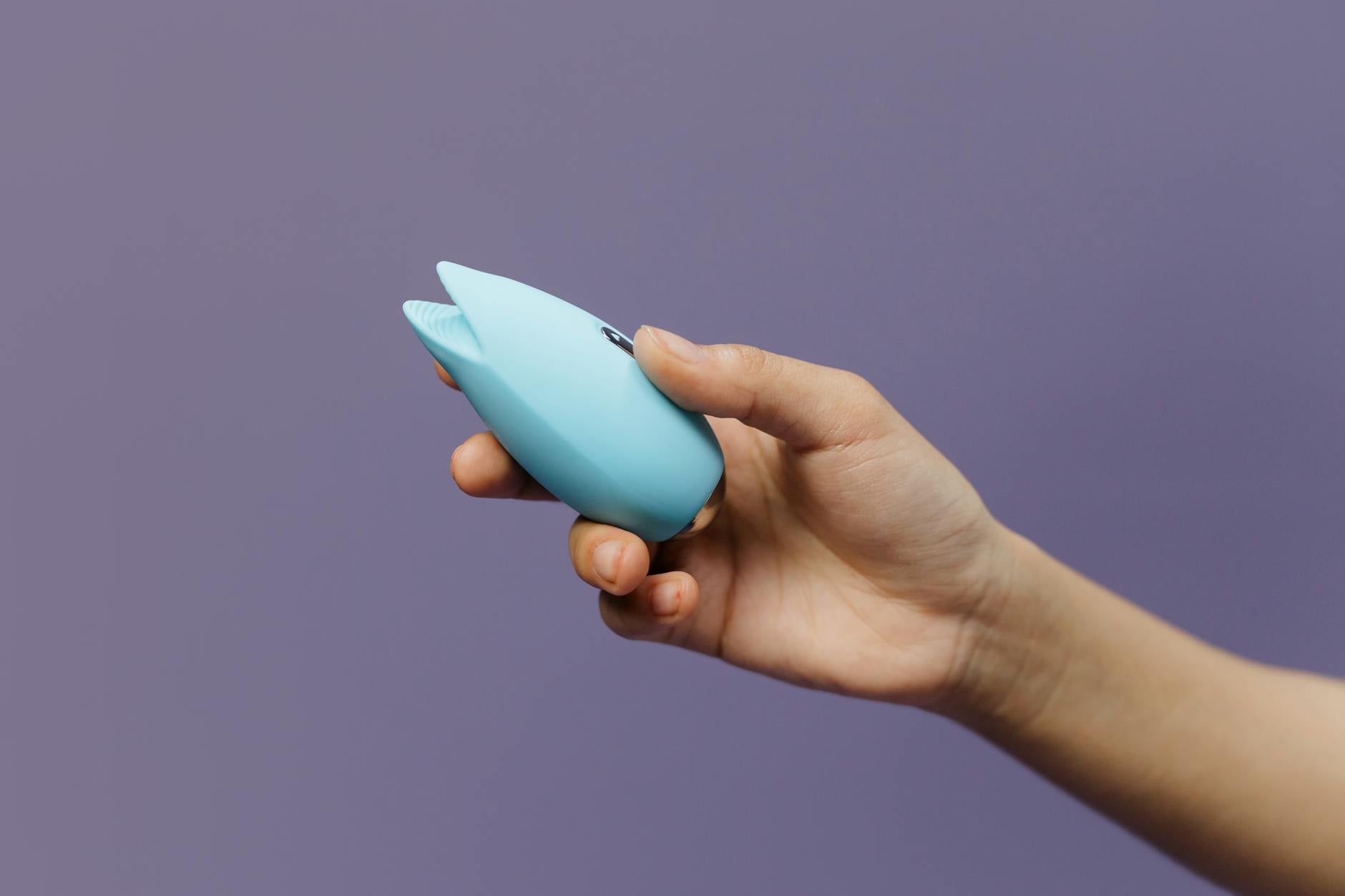
Let's name the nervousness first
Nervous about vibrators? That's not weird. That's actually the most common thing I hear. You might be worried it'll feel too intense, or that wanting one means something about you, or that you'll just feel silly. Some people worry they'll never want to go back to touch alone. Others are scared it means their body is broken somehow. None of that is true, but I get why the stories we tell ourselves feel real.
Here's the honest part: a lemon clitoral vibrator isn't a judgment on you or your body. It's a tool. And like any tool, you get to decide when, how, and even if you use it.
Why nervousness is actually useful information
Your hesitation isn't a block to work through. It's data. Nervousness usually means one of three things: you don't have enough information, you're moving faster than you're ready for, or you've got some old stories rattling around about what pleasure is supposed to look like.
The good news is all three are completely fixable. You don't need therapy. You just need to slow down and let yourself explore on your terms.
Most people who try a lemon vibrator for the first time do it when they're alone. That's smart. No audience, no pressure, no one else's timeline. Just you and a toy, in your own space, moving at the exact pace that feels right.
Start with no expectation of pleasure
This sounds backwards, but it works. Instead of picking up a vibrator thinking "this should feel amazing," try picking it up thinking "I'm just going to see what this does." Research mode, not performance mode.
Turn it on. Feel it in your hand. Notice the vibration pattern, the hum, how it feels against different parts of your skin. Your forearm, your neck, your inner wrist. This is not foreplay. This is you meeting the tool and having zero stakes.
Most nervous first-timers skip this part and jump straight to genital application, which is where the anxiety spikes. Don't do that. Give yourself permission to just know the device first. Five minutes of exploration costs nothing and tells you whether you actually like the sensation at all.
The lowest-pressure way to try it solo
When you're ready to explore with a lemon vibrator on your own body, set up the conditions that feel safest to you. This might mean locked door, phone on silent, or just knowing your partner is out. Whatever lets your nervous system relax.
Start with the lowest setting. Not the middle. The lowest. You can always turn it up. You can never turn it down as fast as you can turn it up, so start small.
Try it through underwear first if that feels better. Try it on your inner thigh. Try it just near your vulva without direct contact. The whole point is removing the pressure to have an immediate response.
If it feels weird and you want to stop, you stop. If it feels kind of nice, you keep going. If nothing happens and you feel nothing, that's also fine. Nervousness sometimes makes arousal harder to access, which is completely normal. One session teaches you nothing about whether vibrators are for you. Three sessions might.
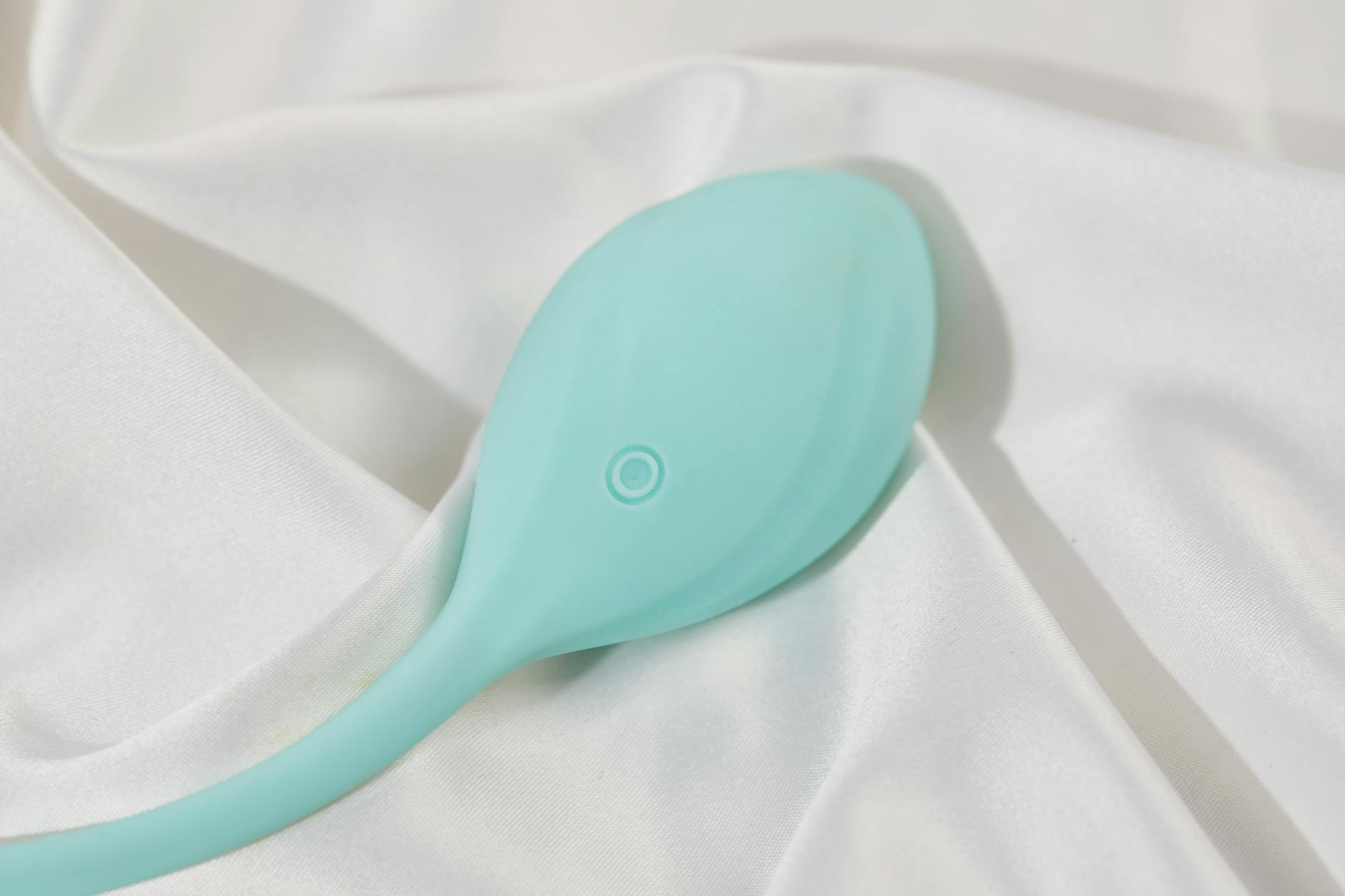
Photo by IFONNX Toys on Pexels
What actually happens the first few times
Many nervous first-timers experience one of three things.
Sensation without arousal. You feel the vibration. It's interesting or pleasant or kind of nice, but you don't feel turned on. That's fine. Your body is learning the sensation. Arousal might arrive later, or it might not, and that doesn't mean anything is wrong.
Overstimulation. You turn it on and immediately think that's too much. Good information. Turn it off. That tells you the lowest setting is still too high for you right now, which means you start somewhere else next time, or you come back to it in a week when you're less in your head.
The gradual yes. You start cautious, nothing happens for a minute, and then something shifts. Your body wakes up. You get curious. You explore more. This is what the marketing promises, but honestly it's only one of three outcomes and it's not the most common one on a first try.
The thing about being nervous is it actually makes all three of these less likely in the first session. Your nervous system is partly in protection mode. That's not failure. That's just how your particular body works. Give it time.
The conversation with a partner, if you have one
If you have a partner and you're nervous about telling them you want to try a vibrator, here's what I know after years of doing this work: the secrecy is usually scarier than the conversation.
You don't need permission. You're an adult with your own body. But you might want to say something like, "I've been curious about exploring some things on my own and I wanted to let you know." That's it. You're not asking for approval. You're offering information.
If your partner gets weird about it, that's information too, but it's not information about whether vibrators are good. It's information about your relationship and whether there's room for you to have your own sexual curiosity without it becoming a negotiation.
Some partners want to be involved. Some are totally fine with you exploring solo. Some get curious themselves. The nervous conversation you're running in your head is usually way more dramatic than the actual conversation.
Red flags that mean slow down even more
If any of these things happen, you're pushing too fast. Back up.
Pain during use. Not pressure or intensity. Actual pain. That means stop and reassess. Maybe the angle is wrong. Maybe you need lubricant. Maybe you need to talk to a doctor. But don't power through pain thinking it will feel normal eventually.
Feeling dissociated or numb. If you're trying a vibrator and you feel like you're floating outside your body, stop. That's your nervous system saying you're too in your head. That's not a bad sign about vibrators. That's a sign you need to go slower or come back when you feel more grounded.
Pressure from yourself or someone else. If you're doing this because you think you should, not because you're curious, it's not going to work. Nervous energy plus obligatory sex equals nothing good.
The permission you might need to hear
You don't have to like vibrators. Some people explore and think "not for me" and that's completely legitimate. You don't have to orgasm the first time or the tenth time. You don't have to use it with a partner. You don't have to use it at all after you try it once. Your body isn't broken if you're nervous. Your preferences aren't wrong.
And also: your nervousness might just be resistance to something new. New things feel weird. Vulnerability feels weird. Your own pleasure sometimes feels weird, especially if you've spent years managing someone else's expectations of it.
A lemon clitoral vibrator is a small tool that does one thing: it vibrates. It's not magic. It won't change your personality or your relationship or your soul. But for some people, in the right circumstances, with the right timing, it opens up a conversation with their own body that they didn't know was possible.
You won't know which one you are until you try. And you don't have to do that today.
FAQ: Common worries about getting started
Will a vibrator feel too strong for me if I'm sensitive?
Lemon clitoral vibrators like the Lem start at low intensity settings specifically for this reason. If even the lowest setting feels too much, you can use it through underwear or over your clothes, apply it through a layer of fabric, or hold it farther away from direct contact. You're in complete control of the intensity and placement.
Is it normal to feel nothing the first time I use a lemon sucker vibrator?
Completely normal. Nervousness dampens arousal. The vibration might feel pleasant but not sexual. You might need three or four sessions before your body starts to relax into it. Some people need their partner present to feel comfortable. Others need to be alone. First-time response tells you almost nothing about whether vibrators are right for you long-term.
What if I buy a vibrator and never want to use it again?
Then you've learned something about yourself and you have a device sitting in a drawer. It's not a waste. You tried something and it wasn't your thing. That's how you find out what you actually like. Many nervous people try one toy, don't vibe with it, try a different style later, and everything changes. One attempt doesn't define you.
Should I use lubricant with a lemon adult toy?
Yes, even if you're aroused. Water-based lube makes the whole experience feel smoother and reduces any friction that might feel too intense on sensitive tissue. It also helps the vibrator glide instead of staying in one spot, which many people find more pleasurable than stationary vibration.
Can I use a vibrator if I'm on my period?
Absolutely. Some people find vibration helps with cramping. Some find it weirdly pleasant during their period when they're not aroused at other times. Some prefer to skip it. Listen to what your body wants. There's no right answer here.
What if my partner thinks vibrators are weird?
That's their feeling to have. Your body is still yours. You get to explore it. If they're not interested in being part of that exploration, that's a separate conversation about your relationship and whether there's room for your own pleasure without it being a joint decision. That's bigger than vibrators and might be worth talking through with someone.
You don't need permission, just patience
Nervousness is not a barrier to overcome. It's your body asking you to slow down and stay present. Honor that. Pick up a lemon vibrator when you're actually curious, not when you think you should be. Explore at the pace that feels right. If nothing happens the first time, that doesn't mean anything is broken. It means you tried something new and your body needed more time.
The best time to start is when you're genuinely interested, not scared. And if that day never comes, that's fine too. Your pleasure doesn't depend on any single tool. It depends on you knowing yourself, respecting your own pace, and being willing to ask for what you actually want. That work starts in your head, not with a device.