Let's name the actual fear
You're thinking about bringing a lemon vibrator into a new relationship and your brain is doing backflips. Will they think you don't find them attractive? Will they feel replaced? Will it kill the mood? Will it make the whole thing weird? Here's what I hear from people in your exact position: the fear is real, the worst-case scenario doesn't usually happen, and the couples who talk about it beforehand have better sex.
I've worked with hundreds of people navigating this exact moment. The ones who bring it up awkwardly late (mid-sex, or never) report way more anxiety than the ones who handle it early, calmly, and factually.
Why new relationships make toy conversations harder
Two things are colliding here. First, you're still proving something to this person. Your sexual confidence feels like it's on trial. Second, you genuinely don't know them well enough to predict how they'll react. With a long-term partner, you know their patterns. With someone new, they're a question mark.
Add to that the cultural narrative most of us inherited: toys mean something's missing. They don't. Lemon clitoral vibrators work because they give your body access to sensations and pressure your partner's hands and body can't precisely replicate. That's not a flaw in them or the relationship. It's just physics.
The conversation timing matters more than the exact words
Don't bring it up mid-sexual moment or when you're already naked. Choose a time when you're both clothed, relaxed, and not about to have sex. Car rides work well. Boring errands work well. Basically, anywhere the conversation can exist without immediate follow-through.
Start simple: "I've been thinking about trying something new with us. There's this vibrator that I've heard works really well, and I'm curious about it. Would you be open to that?" That's it. You're not asking permission. You're flagging something, reading their response, and going from there.
If they ask questions, answer them straightforwardly. "Does that mean I'm not enough?" Answer: "No, it means I want more sensation and I want to explore it with you." That distinction is crucial. You're not saying you need a replacement. You're saying you want to add something.
How lemon vibrators specifically reduce new-relationship anxiety
Lemon clitoral vibrators are gentler than wand vibrators. They work through suction and air pulse technology rather than vibration. This matters for your partner's confidence because: First, there's less performance pressure. They're not competing with an aggressive buzzing device. The suction is more subtle and allows them to participate naturally. You're not white-knuckling through overstimulation while they watch helplessly.
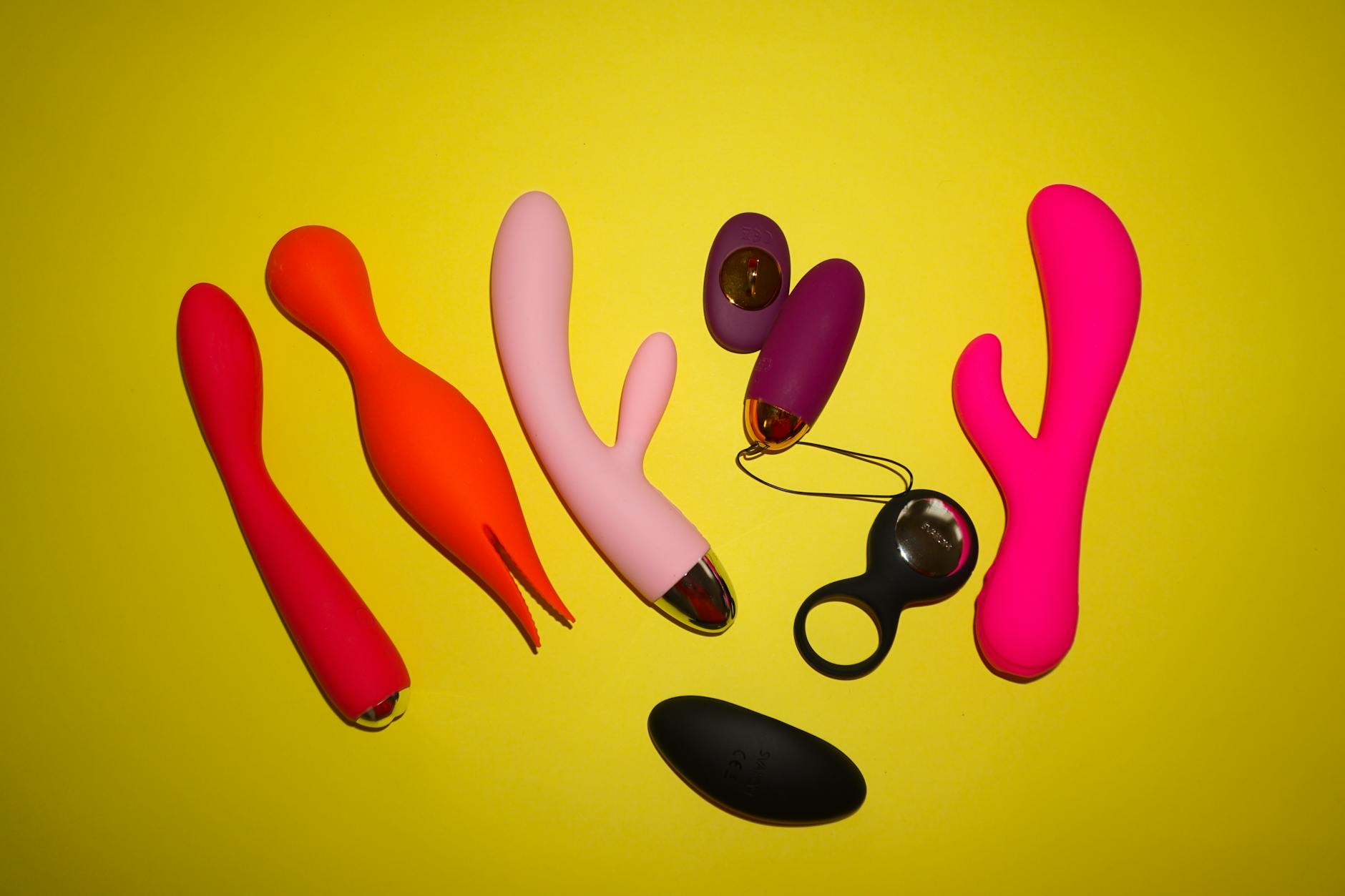
Second, lemon vibrators feel smaller in hand and less intimidating. A wand vibrator can look like you've brought a power tool to bed. A lemon vibrator looks like a toy. The visual framing changes the psychological weight.
Third, because the sensation is more targeted and less aggressive, you can actually enjoy it and show that enjoyment clearly. New partners often worry they're doing something "wrong" because they can't read subtle pleasure. With intense stimulation from a lemon sucker, your response is obvious. That clarity actually builds their confidence.
The first time using it together
Don't lead with "I want you to use this on me." Lead with "I want to explore this together. We can both touch it, or I can show you how it works on me, whatever feels right." This signals collaboration instead of instruction.
Start with the lowest setting. You probably know your body well enough to jump to setting three or four. Your partner doesn't. Let them see the device work first. Walk them through what feels good. "A bit slower here," not "you're doing it wrong."
Consider doing the first experience solo or partially solo. Meaning: you guide it, they're involved but you're driving the experience. This removes the pressure on them to "know what they're doing" and lets you show them exactly what you like. Then on the second time, they can take more control if you both want that.
Managing the emotional texture
New relationship sex has this peculiar stress because you're being watched. Not in a hot way necessarily. Just seen. The presence of a toy makes that more obvious somehow. Your nervous system might interpret it as judgment when it's just observation.
One thing that helps: talking through the experience after. Not in a heavy way. Just: "That was really good, I felt different when we tried that." Or even simpler: "I liked when we did X." This normalizes the toy and reframes it from "scary new equipment" to "one of the things we like doing."
Practical logistics that matter
Clean your lemon vibrator before the first use. You probably would anyway, but mentioning it breaks the weirdness somehow. It makes it functional instead of mysterious.
Have water-based lubricant on hand. Yes, even though lemon vibrators don't require it the way traditional penetrative toys do. It changes the sensation and often makes the experience feel less clinical and more sensual. Lubricant has a psychological effect. It says "I'm prepared and this is intentional."
Dim the lights if you want to. Your first time is awkward enough without full brightness. That's not dodging anything. That's being smart about comfort.
When they're hesitant or it gets weird
Sometimes a new partner will say yes but seem uncomfortable once the toy appears. This is fine. Here's what I'd do: "We can absolutely stop. I'm curious but only if you're genuinely interested too. We have plenty of other things we're enjoying." Then actually stop. Don't push. The best sex in new relationships comes from both people wanting the same thing at the same time, and that's not happening if one person is performing enthusiasm.
You can revisit it in six months. Or never. Some people aren't comfortable with toys and that's a valid preference. What matters is that you tried to have an honest conversation about your desires instead of hiding them.
Why this matters for the relationship foundation
I've watched couples that can't discuss toys smoothly have the same conversation blocks around finances, family boundaries, and mismatched desire down the line. The couples who can say "I want to try this thing" and listen to the response without spiraling? Those couples generally have better communication across the board.
Using a lemon vibrator with a new partner isn't about the toy. It's about practicing being honest about your needs and practicing listening to theirs without taking it personally.
FAQ: New Relationships and Lemon Vibrators
What if my new partner thinks toys mean I'm not attracted to them?
Separate the two ideas clearly. "I'm attracted to you and I also have a body that responds well to this specific sensation. They're not related." Attraction is about the person. Pleasure is about your nervous system. A lemon clitoral vibrator isn't competing with your partner any more than a back massager competes with physical touch. They're different inputs.
Should I have already used the toy before showing it to them?
Yes, absolutely. Know how it works, what it feels like, and how you like to use it. You'll explain it more confidently and you won't be discovering settings together while also managing social anxiety. That's too much at once.
Is it weird to ask them to use it on me when we've only been together for a few months?
Not weird, just vulnerable. You're inviting them into something intimate and specific. If the relationship has progressed to the point where you're already comfortable with regular sex, you're ready for this conversation. The timeline is less important than mutual comfort.
What if they want to use it and I'm suddenly nervous?
Then you say "Actually, I'm feeling shy about this tonight. We can try again later." Nerves are normal. Don't push through them to prove something. Genuine consent includes the right to change your mind.
How do I know if a lemon vibrator is better than other toys for this situation?
Lemon vibrators are specifically gentler and less visually aggressive than wand vibrators, which helps with new-relationship anxiety. They're also easier to use together because the suction sensation is more about partnership and less about intense solo stimulation. But if you already know you like penetrative toys or external vibration, go with what you know. The conversation is the thing. The specific toy is secondary.
What if they suggest using toys and I'm the hesitant one?
That's a different conversation, but it's still a good one to have. Listen to why they're interested. It might surprise you. And remember that you don't have to say yes immediately. "That's interesting. Let me think about it" is a complete sentence.
Bringing it home
New relationships are tender. The sexual part especially. You're trying to figure out if you fit together, if you're attracted, if the chemistry works. Bringing a lemon vibrator into that requires some courage, which you clearly have since you're reading this.
The best thing you can do is treat it as a normal part of your sexual repertoire, not as a big emotional event. State what you want, listen to their response, move forward together. Your partner might surprise you by being totally into it. And even if they're nervous at first, you're building the foundation for the kind of relationship where you can talk about desire without shame.
That's the real intimacy. The toy is just the tool.
Sources
Gottman, J. M., & Silver, N. (2015). The seven principles for making marriage work. Harmony.
Perel, E. (2018). Mating in captivity: Reconciling the erotic and the domestic. Harper Perennial.
Johnson, S. M. (2019). Attachment theory in practice: Emotionally focused therapy (EFT) with individuals, couples, and families. Guilford Press.