Here's the thing nobody tells you
Sex doesn't require penetration. I know that sounds obvious, but if you've spent years experiencing pain during penetration, it stops feeling obvious. It feels like something's broken. It feels like your body has failed you, or worse, like you're failing your partner. Neither is true.
Vulvodynia, vaginismus, endometriosis-related pain, post-procedure sensitivity, or just plain pelvic floor tension don't close the door on pleasure. They close one door and leave the rest of the house wide open. Clitoral vibrators, particularly air-pulse lemon vibrators like those from My Lemon Toys, often become the gateway back to sensation when penetration feels impossible.
Why penetration pain isn't about weak arousal
Let me separate two things that get tangled up constantly: physical pain and arousal. You can be genuinely, intensely aroused and still experience pain during penetration. That's not contradiction. That's anatomy meeting circumstance.
Vulvodynia is chronic pain in the vulva with no clear physical cause, yet it's very real. Vaginismus is involuntary pelvic floor tightening triggered by anticipation of pain. Endometriosis, pelvic adhesions from surgery, or even prolonged tension from anxiety can make internal contact feel sharp, burning, or raw. None of these happen because you're not turned on enough. They happen because your nervous system is protecting tissue that's genuinely vulnerable.
Here's what matters: your clitoris remains unaffected. The nerve pathways that register pleasure from external stimulation don't change. This is why external clitoral vibrators work when internal contact doesn't.
What makes air-pulse lemon vibrators different
Traditional vibrators buzz or rotate. They create friction. For someone with vulvodynia, vaginismus, or post-procedure sensitivity, friction can be the problem. You need stimulation that doesn't require direct pressure or movement along sensitive tissue.
Air-pulse vibrators, including lemon clitoral vibrators, use gentle suction and pulsing to stimulate without friction. The sensation reaches deeper into the clitoris without dragging across the surface. For people with penetration pain, this distinction is life-changing. You get intense, focused stimulation on your terms, with zero internal contact.
The patterns matter too. Start with gentler pulses on a lemon vibrator before moving to faster or more intense ones. Your nervous system gets to reset gradually instead of being triggered by pain.
Building tolerance and rebuilding trust with your body
If penetration pain has been part of your sexual life, your body learned to brace. That protective tension is smart survival instinct, but it compounds the problem. Arousal and relaxation require a nervous system that feels safe. That trust rebuilds through sensation that works, not sensation that hurts.
Using a clitoral vibrator gives your body evidence that sexual feeling can be pleasurable without pain. You're not pushing through anything. You're not negotiating with discomfort. You're just experiencing what good sensation actually feels like, uninterrupted.
Many of my clients report that after several weeks of solo pleasure with a lemon vibrator, their baseline pelvic floor tension drops. They're not clenching in anticipation of pain anymore. That shift opens new possibilities, sometimes including penetration that was previously impossible.
How to talk to a partner about this
If you're in a relationship, this conversation matters. Penetration pain is not a personal rejection of your partner. It's a legitimate physical barrier. But saying "I can't have penetrative sex" without saying "Here's what I can have" leaves you both stuck.
Instead: "My body experiences pain with penetration right now. That's not about you or my desire for you. Here's what feels good to me: external stimulation, specific touches, this tool that works. Can we explore that together?"
Many partners feel relieved to have a framework that works. You're not saying no to sex. You're saying yes to a different version of it. Some couples find that using a lemon vibrator together actually deepens intimacy because there's less performance pressure and more genuine sensation.
When to see a pelvic health specialist
If pain is new, severe, or worsening, talk to a gynecologist or pelvic health physical therapist, not just your regular doctor. Vulvodynia often gets misdiagnosed as yeast infections or dismissed entirely. Vaginismus responds incredibly well to pelvic floor physical therapy. Post-procedure pain usually improves on a specific timeline that a specialist can explain.
A pelvic floor PT can teach you how to actually relax muscles that have learned to clench. That's not something willpower fixes. It's a skill that rewires your nervous system. Combined with pleasure tools that work for your body, it's often the pathway back to penetration if that's what you want.
Pleasure without pressure
Here's what I want you to know: using a lemon vibrator when penetration isn't possible is not a consolation prize. It's not settling. It's often more intense, more reliable, and more wholly focused on your pleasure than penetrative sex ever was. Many people experience deeper orgasms and more consistent arousal with external stimulation alone.
You don't owe anyone penetration. You don't owe anyone proof of desire. If your body says no to internal contact, that's information. Listen to it. The pleasure available through clitoral stimulation is complete and legitimate and often life-changing.
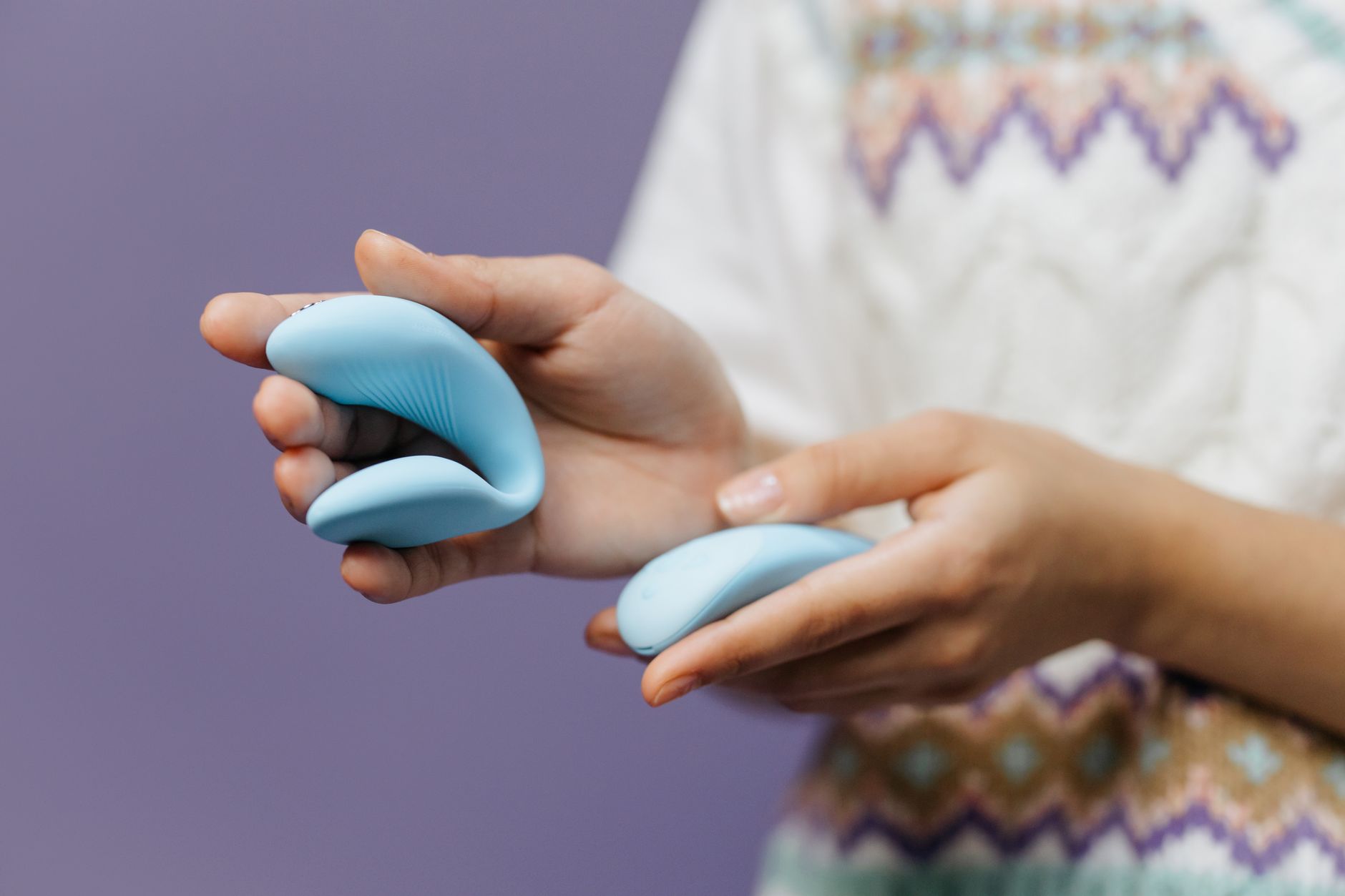
Photo by cottonbro studio on Pexels
The timeline for rebuilding
If you've experienced pain during sex for months or years, pleasure takes time to rebuild. You're essentially retraining your nervous system to expect sensation without danger. That's not weakness. That's recovery.
Start with short sessions, maybe 10-15 minutes with a lemon vibrator. Focus on what feels genuinely good, not what you think should feel good. If a pattern feels too intense, drop down. Your body will tell you when it's ready for more. There's no rushing this.
Some people notice shifts in a few weeks. Others take a few months. Both are normal. The point isn't speed. The point is that pleasure becomes possible again on your body's actual timeline.
FAQ: Pain during sex and clitoral vibrators
Can I use a lemon vibrator if I have vulvodynia?
Yes. Vulvodynia affects the vulva but not the entire clitoris equally. Many people with vulvodynia experience significant relief and pleasure with air-pulse clitoral vibrators because they don't create friction on sensitive tissue. Start gently and let your body guide intensity.
Does using external vibrators make vaginismus worse?
No. In fact, pleasure that works reduces the anxiety cycle that maintains vaginismus. When your body learns that sexual sensation can feel good without pain, pelvic floor tension often decreases. Combine it with pelvic floor physical therapy for best results.
What if I've had surgery down there and penetration still hurts months later?
Talk to your surgeon or a pelvic health PT. Some post-procedure pain takes longer than expected to resolve, and some responds to specific rehabilitation. In the meantime, external clitoral stimulation is usually available and can keep you connected to pleasure while tissues heal.
Is it okay to use a vibrator if my partner and I want penetration eventually?
Completely. Using external vibrators now doesn't prevent penetration later. It often supports the path back to penetration by reducing protective tension and rebuilding confidence. Many couples use them as part of foreplay even when penetration is possible.
What pattern should I use on a lemon vibrator if I have pain-related sensitivity?
Start with the gentlest pulse setting and the lowest intensity. Many lemon vibrators have multiple patterns. You're looking for one that stimulates without feeling overwhelming. It might take a few sessions to find your rhythm. That's completely normal.
Can penetration pain be psychological, and does a vibrator help with that?
Pain can have both physical and psychological components. Anxiety about pain absolutely makes it worse. A vibrator addresses the physical side by offering sensation that works. For the psychological side, therapy, pelvic floor PT, and partner communication are equally important.
Here's where you actually start
If penetration pain has locked you out of pleasure, you're not broken. Your body isn't failing you. It's asking for something different. A clitoral vibrator, especially an air-pulse lemon vibrator, often gives your nervous system exactly what it needs: intense, focused pleasure that doesn't demand anything from you except the willingness to feel good.
Start there. See what your body remembers about pleasure. The rest can follow, or it doesn't have to. Either way, you deserve sensation that works. You deserve an orgasm that doesn't come with negotiation or pain. That's not a luxury. That's baseline.
Ready to explore? Start with something that fits your comfort level. My Lemon Toys has options for every body and every kind of pain. The only wrong choice is the one that doesn't feel right for you.
If you're navigating this alone or with a partner and want support beyond the physical, reach out. Pleasure and pain are often relationship issues too, and sometimes talking through the emotional side helps just as much as finding the right tool.
Sources
American College of Obstetricians and Gynecologists. (2020). "Vulvodynia." ACOG Committee Opinion.
Berg, R. B., & Dennerstein, L. (2003). "Longitudinal changes in sexual functioning reported by women with normal and surgically menopausal status." Journal of Sex & Marital Therapy.
Pelvic Health and Rehabilitation Biology Center. (2021). "Vaginismus and Pelvic Floor Dysfunction: Clinical Assessment and Treatment." Evidence-based guidelines.