
The rut nobody talks about
You've been together five years, or ten, or twenty. Sex still happens. But somewhere between the mortgage payments and the familiarity, it stopped feeling like connection and started feeling like obligation. The desire hasn't vanished entirely, but it's muted. Predictable. And the longer it stays that way, the scarier it feels to change it.
Here's what I see in my practice over and over: couples don't need more sex. They need a reason to feel curious about each other again. A lemon clitoral vibrator isn't a magic fix, but it's a conversation starter that actually works because it puts novelty back on the table without judgment.
Why the rut happens (and why it's not your fault)
Long-term relationships naturally drift into efficiency. You know what works. Foreplay follows a script. Orgasm gets achieved on autopilot. Your brain actually adapts to repeated stimulation, which means the same touch, the same rhythm, the same approach literally creates less pleasure over time. This is neuroscience, not failure.
Add stress, aging bodies, hormonal changes, or just the weight of daily life, and desire tanks fast. Many couples I work with describe this exact moment: you realize you haven't had genuine desire in months, and you don't even know when it stopped.
The fix isn't more communication (though that helps). It's removing the pressure to perform the same way you always have and giving yourself permission to explore something new together.
Why lemon vibrators work in long-term relationships
Three things make clitoral suction toys different from traditional vibrators when you're trying to rebuild desire.
First, sensation is genuinely different. Lemon toys use air-pulse suction instead of vibration. For people whose bodies have grown used to the same stimulation, suction feels novel in a way that matters. It's not just "more intense." It's a different neural pathway entirely. Your brain wakes up because the sensation is unfamiliar.
Second, they're easier to use together. A traditional vibrator inside or outside the body changes the dynamic between partners. A lemon clitoral vibrator sits on the clitoris and doesn't require repositioning during penetration. If you want to have penetrative sex and add clitoral stimulation, the toy doesn't get in the way. The logistics actually work.
Third, they feel less threatening to introduce. This is psychological, but it matters: air-pulse toys like the Lem vibrator feel less like you're "replacing" a partner and more like you're adding something you're both exploring. There's a psychological distance between "I bought a vibrator because sex with you isn't working" and "I found this toy and want to see how it feels with you."
How to actually bring it up
This is where most couples get stuck. The conversation feels loaded because sex in long-term relationships gets tangled with pride, assumptions about satisfaction, and fear of rejection.
Here's what works: separate the toy from the relationship diagnosis. Don't say "our sex life is broken and I think this would help." That lands as criticism. Instead, try something like this.
"I read about these lemon suction toys and got curious. I don't think anything's wrong, but I want to try something that feels new. Would you be open to using it together?"
Notice what this does. It frames the toy as something you're curious about, not something you need because sex is failing. It puts the focus on novelty and exploration, not on fixing a problem. And it invites your partner in rather than positioning them as part of the issue.
If your partner seems hesitant, that's normal. Address it directly. "What makes you nervous about it?" Listen. Their discomfort is usually not about the toy. It's about shame, feeling replaced, or the vulnerability of trying something new. That conversation is actually way more valuable than the toy itself.
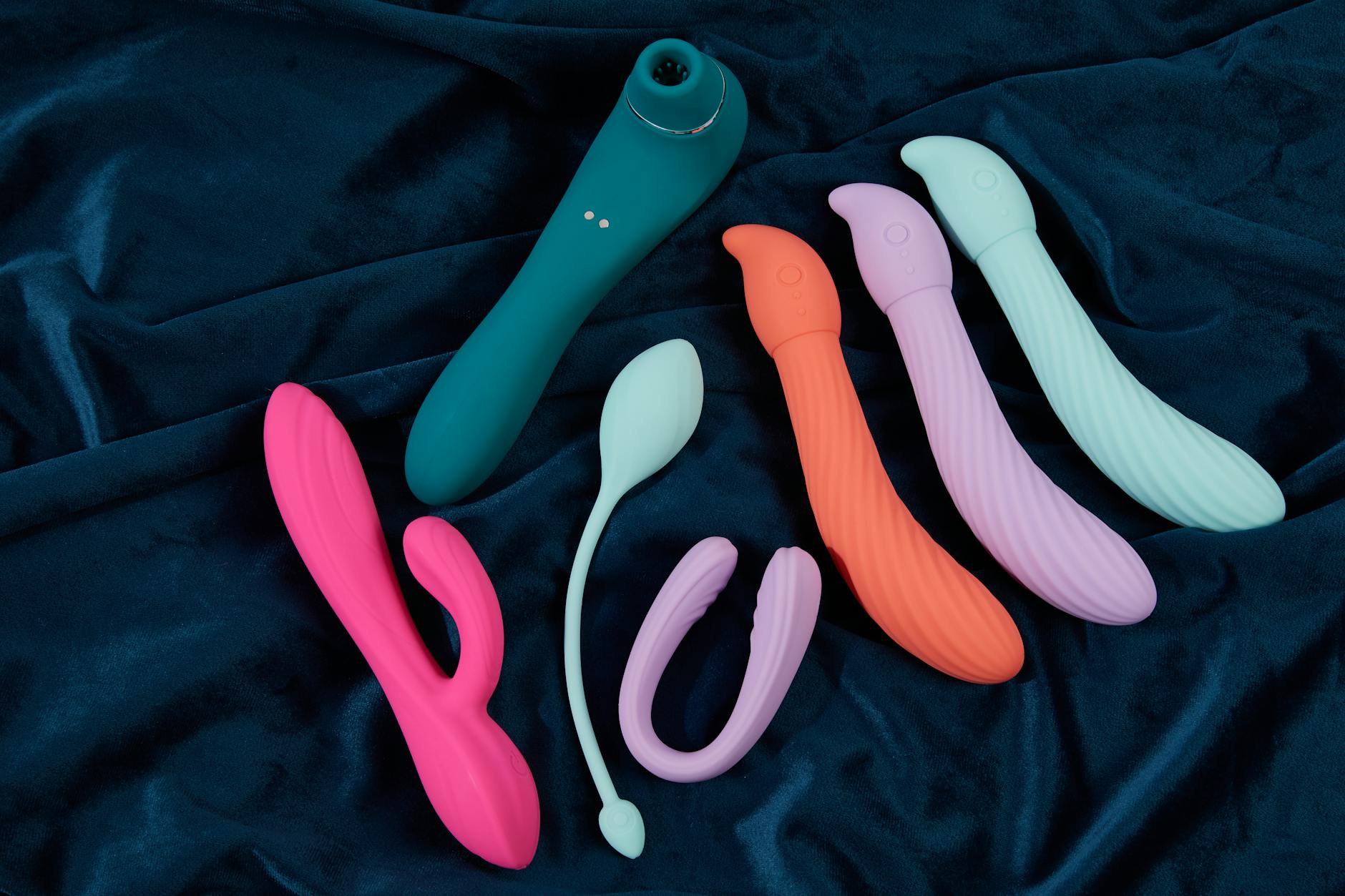
Photo by IFONNX Toys on Pexels
The first time you use it together
Don't start with penetrative sex. Start with foreplay. Use the lemon vibrator on its own, with your hands, with oral sex. Let yourself get used to the sensation without the pressure of "making it work" during sex.
Take turns. Let your partner use it on you first. Then you use it on them. This isn't about technique. It's about being curious and paying attention to what actually feels good instead of performing what you think should feel good.
Start on the lowest setting. The Lem vibrator has multiple intensity levels, and beginners often assume they need maximum power. You don't. Low settings often feel better for clitoral stimulation because they're less overwhelming. You can always go higher.
Use water-based lubricant. The suction works better with a little moisture, and it prevents that weird dry suction feeling that can feel uncomfortable. This is logistics, not romance, but it matters.
What changes after the first time
Most couples report one of two things: either it's awkward the first time and gets better, or it's surprisingly good and they want to use it again soon. Both are wins.
What matters is what happens after. The toy gives you permission to have a different kind of sex than you've been having. If your normal rhythm is five minutes of foreplay and then penetration, the toy might stretch that out. You might take twenty minutes because the sensation is different. You might discover that you actually enjoy longer foreplay now that it doesn't feel like obligation.
You might also discover that your partner gets aroused faster when they're focused on your pleasure instead of their own performance. That's huge for long-term couples, especially ones where one partner's desire has lagged behind the other's.
When the toy stops being about the toy
Honestly, the lemon vibrator isn't the point. It's a vehicle for a different kind of attention in your relationship. When you use a toy together, you're not following a script. You're present. You're responding to each other in real time. You're being vulnerable about what actually feels good.
That's what couples in ruts are actually missing. Not sex. Attention.
Some couples use the toy every time they're intimate. Others use it occasionally. The frequency doesn't matter. What matters is that introducing it broke the pattern and gave you both permission to be curious again.
If you've been together a long time and desire has faded, that's not a sentence. It's a signal that something needs to change. A lemon clitoral vibrator is a simple, low-stakes way to start that change. And often, couples find that once they've broken the script together, they don't need the toy to feel connected again. They just needed to remember what it felt like to not know exactly what was coming next.
FAQs about lemon vibrators for couples in ruts
Can we use a lemon vibrator if my partner is worried about feeling replaced?
Yes, and addressing that worry directly is the first step. Your partner's concern is actually about intimacy and feeling needed, not the toy. Have the conversation before you buy anything. Say something like: "This isn't about replacing you. It's about exploring something together." Then show them how the toy enhances what you already do rather than replacing penetration or manual stimulation. When they see it as something you're both exploring, the threat feeling usually dissolves.
How often should we use it if we're trying to rebuild desire?
There's no fixed schedule. Some couples use a lemon vibrator every time they're intimate for the first few weeks, then move to once or twice a week. Others use it occasionally, just to keep things feeling fresh. The real goal is breaking the pattern, not creating a new obligation. If using it starts feeling like another chore, you've missed the point. Keep it playful.
What if one of us likes it and the other doesn't?
That's totally fine. You don't have to use it together every time. One partner might use it solo, and the other just participates. Or you might use it during foreplay and then move into a style of sex that doesn't involve the toy. Couples get hung up on the idea that toys have to be mutual, but they really don't. The point is removing shame around pleasure and novelty.
Is a lemon vibrator better than other vibrators for couples?
For couples specifically, yes, often. Lemon suction toys are less invasive than traditional vibrators, they work during penetrative sex without getting in the way, and they feel genuinely novel if your bodies have adapted to regular vibration. That said, every person and every couple is different. What matters is finding what actually feels good to both of you, not what the internet says you should use.
How do we make sure it doesn't become a crutch?
This is a real concern. If the toy becomes the only way to reach orgasm, that can narrow pleasure rather than expand it. The fix is simple: use it sometimes, not always. Mix it with manual stimulation, oral sex, penetration without toys. Keep your body responsive to multiple kinds of touch. The toy should enhance your existing pleasure, not replace it.
What if we use the toy and nothing changes?
Then you've learned something important: the rut you're in isn't just about physical pleasure. It might be about emotional disconnection, resentment, life stress, or incompatibility. A toy can't fix those things. But it can open the door to conversations about what you actually need from each other. If the toy doesn't help, that's a sign you might benefit from working with a therapist who specializes in couples and intimacy. That's not failure. That's actually wise.
When to seek support
If you've tried introducing novelty and desire still doesn't return, or if your partner flat refuses to engage with anything new, that's worth examining with a professional. Desire gaps in long-term relationships can signal disconnection that needs attention beyond what a toy can fix. A couples therapist who specializes in intimacy can help you figure out what's really going on.
But most of the time, when a couple is stuck in a rut, all they need is permission to be curious again. A lemon clitoral vibrator gives you that permission. It makes the conversation feel less like admitting failure and more like exploring together. And sometimes that shift in perspective is exactly what's needed to remember why you chose each other in the first place.
Your pleasure matters. Your connection matters. And you deserve intimacy that feels alive, not just obligatory. Start there.