Here's what actually changes (and what doesn't)
Hormones shift. That's factual. What happens next is where the confusion starts. You'll hear two versions: either everything stops working or nothing changes at all. Both miss the mark.
When estrogen drops, tissue thickness decreases, lubrication changes, and how quickly your body responds to touch gets different. Testosterone also shifts (yes, people with vulvas produce it, and it matters for desire). The pelvic floor gets less support, which can change how stimulation feels. That's real and measurable.
But here's the part nobody explains clearly. The neural pathways for arousal stay intact. Your clitoral nerve density doesn't change. Your brain's capacity for pleasure remains exactly the same. And your ability to orgasm? Often intensifies after hormonal changes, not the reverse.
Why lemon vibrators work better during hormonal transitions
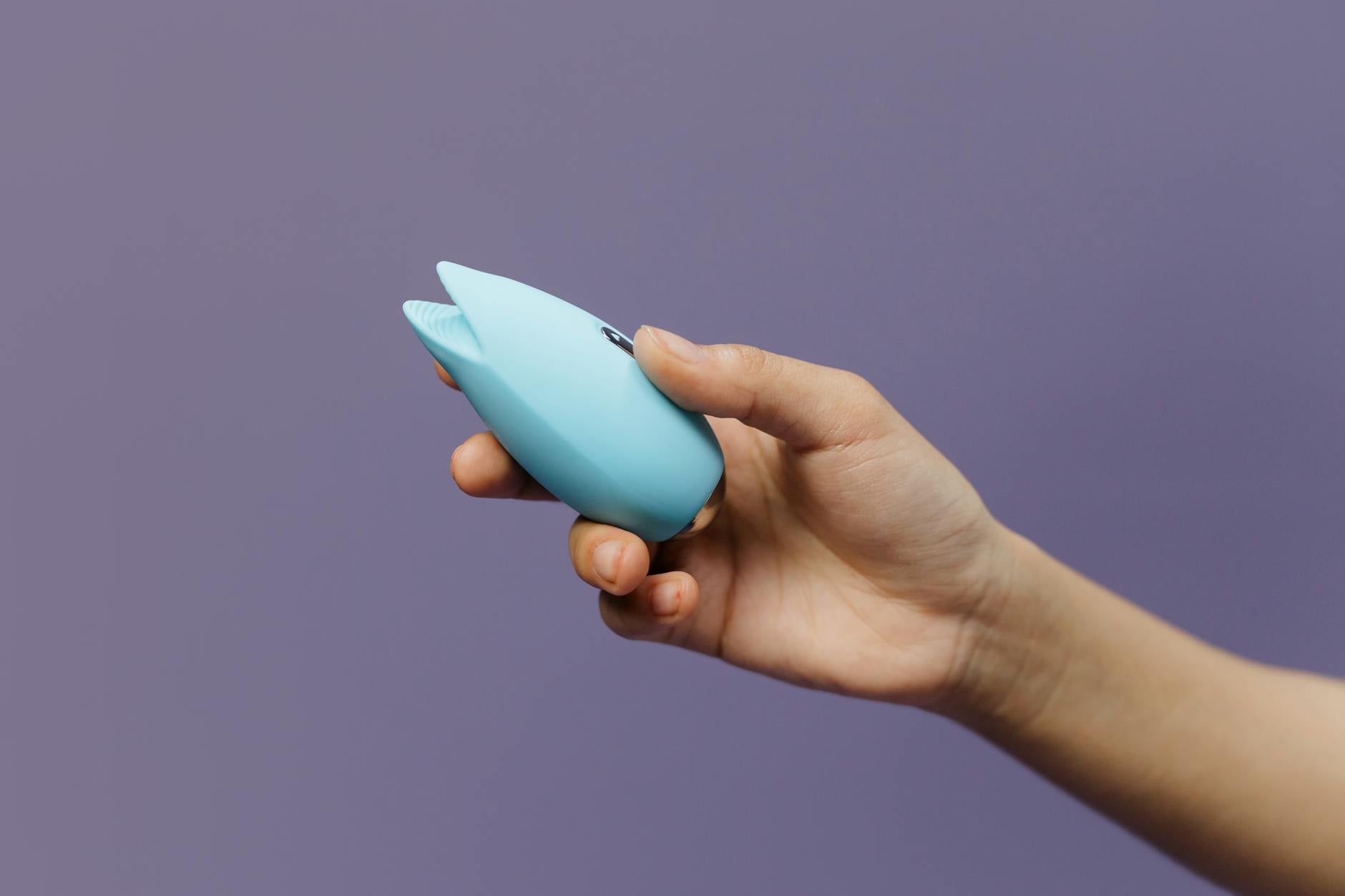
I recommend lemon clitoral vibrators to clients going through hormonal changes for one specific reason: they don't require the sustained friction that can feel irritating on thinner, more sensitive tissue.
Traditional vibrators buzz. They rely on rapid vibration directly against your skin. When tissue becomes more delicate from hormonal shifts, that can feel sharp or even painful. Air-pulse technology works differently. It creates a suction pattern that stimulates the network of nerves around your clitoris without direct friction. You get intense sensation without the mechanical pressure.
The lem vibrator uses this exact mechanism. It's why it feels gentler than you'd expect while still delivering the kind of concentrated stimulation that actually works. For people rebuilding pleasure after hormonal changes, that's the difference between frustration and real results.
How tissue changes affect sensation
Estrogen keeps your tissue plump and elastic. Less estrogen means thinner, more fragile skin. This isn't damage. It's adjustment. But it means what felt perfect six months ago might feel too intense now.
You also produce less natural lubrication. This is why people often think they've lost the ability to get aroused when really they just need more time and better lube. Water-based lubricant stops being optional during hormonal transitions. It becomes essential. Pair it with a lemon clitoral vibrator and you've got a setup that actually accounts for what's changed instead of fighting against it.
Arousability also takes longer to build. Budget 15 to 25 minutes instead of five. This isn't a flaw in your body. It's how physiology works when hormones shift. Patience with this timing changes everything.
The role of pelvic floor tension
Estrogen drops, and your pelvic floor muscles tighten without your permission. This is automatic. Over time, that tension can make penetration uncomfortable and make clitoral stimulation feel muted.
Here's the thing: Kegels are only half the answer. Yes, strengthening your pelvic floor helps. But you also need to learn how to fully relax it. Tight muscles everywhere make sensation smaller. A lemon sucker device, combined with conscious pelvic floor relaxation, actually works because you're addressing both tightness and stimulation simultaneously.
Try this. Before using your lem vibrator, spend two minutes just breathing. Notice where you're holding tension. Let your pelvic floor release on each exhale. Then use the device on a lower setting. You'll notice sensation deepens because the muscles aren't interfering.
Building back arousal step by step
Four practical changes that work:
Start at pattern one. Most lemon vibrators have multiple intensity levels. Your instinct will be to jump to what used to work. Don't. Begin at the lowest setting. Your tissues are more sensitive now, and building up gradually teaches your nervous system to respond again. This isn't wimpy. It's strategy.
Extend warm-up time. Solo or partnered, slower really works here. Foreplay isn't lead-up to the main event. It's where most of your pleasure lives now. Treat it that way.
Use water-based lube generously. Not because you're broken, but because your tissue deserves it. The combination of lube plus a lemon clitoral vibrator is genuinely more effective than either alone. There's no prize for going without.
Touch other parts first. Don't go straight to your clitoris. Touch your breasts, your inner thighs, your neck. Let arousal build across your whole body before you introduce the vibrator. This rewires your nervous system to remember that pleasure is distributed, not concentrated.
When hormonal changes also mean emotional shifts
Hormone shifts often arrive alongside other midlife changes. Kids grow up. Relationships recalibrate. Work demands shift. Grief shows up. The temptation is to blame your body for lost desire when sometimes you're actually grieving an old chapter.
This matters because if you try to rebuild pleasure while ignoring emotional stuff, you'll hit a wall. Pleasure isn't purely physical. It's also about feeling safe, wanting connection, and believing your body is still yours.
If you have a partner, separate these conversations. "My body is responding differently to touch" is different from "I need us to reconnect as a couple." Mixing them creates confusion. Address the physical piece with tools like lemon sexual toys and technique. Address the emotional piece through conversation and, if it helps, with a therapist.
What belongs with your healthcare provider
If sex hurts, don't wait. Genitourinary syndrome of menopause is common, treatable, and takes weeks to resolve with topical estrogen creams. Talk to a doctor who specializes in hormonal health.
If desire has completely flatlined and isn't returning even with good lube, better foreplay, and the right tools, low-dose testosterone therapy is worth discussing. It's prescribed more conservatively in some regions than others, but it's available. For the right person, it changes everything.
If you're on medication that affects libido (SSRIs, hormonal contraceptives), ask your prescriber whether alternatives exist. Sometimes a small adjustment to what you're taking reopens pathways that felt closed.
The point: pleasure returning after hormonal changes isn't always about trying harder. Sometimes it's about getting the right medical support.
Building confidence in your new baseline
One thing I notice with clients navigating hormonal shifts is shame. "This should still work the way it used to." That's understandable and also unrealistic. Your body changed. So your approach needs to change.
When you use a lemon vibrator designed for gentler, sustained stimulation instead of a traditional wand, you're not settling. You're upgrading. You're acknowledging that your body deserves tools that match what you need now, not what you needed before.
Many people find their most satisfying orgasms come after hormonal shifts. Not in spite of the changes. Because of them. Because they've finally stopped fighting their body and started listening to it. That shift from resistance to curiosity is when pleasure returns. The tools help. The mindset matters more.
Frequently Asked Questions
How long does it take to rebuild sensation after hormonal changes? Everyone's timeline is different, but most people notice improvement in 4 to 8 weeks of consistent practice. The nervous system needs repetition to rewire. Regular use of a lemon clitoral vibrator, paired with longer foreplay and good lubrication, builds momentum. Don't expect instant results, but do expect steadily improving sensation if you're consistent.
Can I use a regular vibrator or do I actually need air-pulse technology? You don't need air-pulse. You'll find what works for your body. But many people with hormonally sensitive tissue find traditional vibrators feel too intense or create irritation. Air-pulse feels different because it doesn't rely on friction. It's worth trying because it often works when other tools don't. That said, some people find they can use any vibrator comfortably with enough lube and patience.
Does lube actually help or am I just avoiding the real problem? Lube is not avoidance. It's accommodation. When tissue thins from hormonal shifts, lubrication reduces friction and helps sensation travel differently. Water-based lube pairs particularly well with silicone toys like lemon vibrators. It's not a workaround. It's how your body works now.
What if sensation is still completely numb even with a lemon vibrator? Numbness can point to several things: medication effects, nerve damage from past injury, pelvic floor tension so severe it blocks sensation, or emotional disconnection. Talk to a pelvic floor physical therapist and your doctor. Sometimes medication adjustments help. Sometimes pelvic floor work opens things up. A vibrator is one tool, not the whole toolkit.
Is it normal that my orgasms feel different after hormonal changes? Yes. They may feel smaller, more concentrated, or require different patterns of stimulation. This is normal. Different isn't worse. Many people eventually prefer what comes after hormonal shifts because it feels more localized and intense. Give yourself grace while your body adjusts.
Can I use a lemon vibrator if I'm on hormone replacement therapy? Absolutely. HRT changes the pace of things, but sensitivity, arousal time, and what feels good still shift from where you were before. A lemon clitoral vibrator works alongside HRT. Nothing conflicts. If anything, HRT sometimes makes sensation more available, and a good vibrator lets you access that.
The bottom line
Hormonal shifts change how your body responds. They don't change your worth, your desirability, or your right to pleasure. The body you have now deserves tools and approaches that match it. That's not settling. That's self-respect.
If you're ready to explore what pleasure looks like after hormonal changes, start with tools designed for gentler, sustained stimulation like a lemon vibrator. Pair it with patience, good lube, and honest conversation with yourself or your partner. Your nervous system will remember. Your pleasure isn't behind you. It's waiting for you to meet your body where it actually is right now.
Have questions about rebuilding intimacy or navigating pleasure during hormonal transitions? Reach out anytime. I'm here to help.