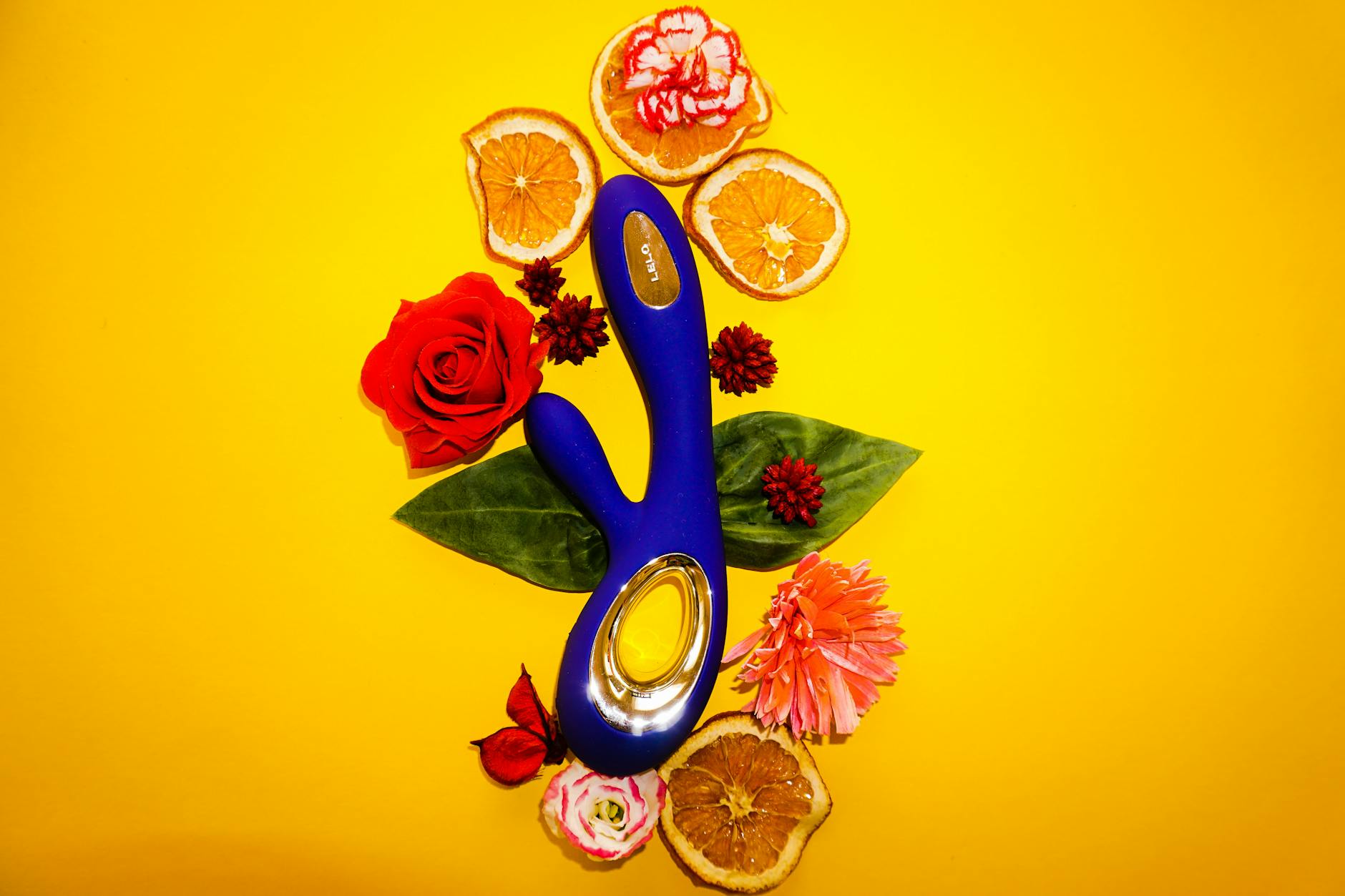
Let's talk about what relationship changes actually do to desire
Your partner moved out. You got married. You stopped feeling safe. You finally set a boundary that changed everything. Whatever the shift, it rewired something inside you. Not permanently. But right now, maybe nothing feels like it did before.
This is not unusual. And it's not permanent either.
What happens to sensation when a relationship changes
Relationship transitions don't just affect your emotions. They literally change how your nervous system responds to touch. When trust shifts, arousal takes longer. When you're navigating new dynamics with a partner, you might feel numb during solo pleasure because your brain is running calculations instead of feeling. If you've recently ended a long-term relationship, your body might not remember how to respond at all.
There's a reason for this. Your brain links pleasure to safety and familiarity. Relationship changes temporarily erase that map. You're not broken. You're processing.
Why lemon clitoral vibrators help bridge this gap
Here's what makes lemon vibrators, like the Lem, particularly useful during relationship transitions. They don't require the cognitive load that partnered sex does. There's no performance, no checking in with someone else's rhythm, no anxiety about what they're thinking. You get to focus purely on sensation and what feels good to you, separate from any dynamic happening with a partner.
The suction-based design of lemon adult toys also means they work differently than traditional vibrators. They create a gentle seal and rhythmic pressure that many people find easier to feel when sensitivity is low or when their nervous system is in recovery mode. The pattern is consistent, predictable. Your body can trust it.
The practical reset: starting over with sensation
If you're reconnecting with pleasure after a relationship change, here's what I recommend to most of my clients.
Start with zero expectations. Not "I should be able to come" or "I used to feel this way." Just "I'm going to notice what I feel." This takes the pressure off performance and lets your nervous system relax into sensation.
Pick a time when you're genuinely alone and not rushing. Relationship changes make our brains hypervigilant. You need actual safety, not just the absence of danger. Block 30 minutes. Close the door. Your phone goes across the room.
Use lube even if you think you won't need it. Anxiety and nervous system activation can dry you out regardless of arousal level. Water-based lube isn't a failure. It's you telling your body it's safe to feel.
Start with the lowest intensity on your lemon clitoral vibrator. The Lem has multiple patterns. Begin at setting one or two. Let your body wake up slowly. There's no prize for jumping to high intensity.
Rebuilding trust in your own body
Relationship changes often damage the trust between you and your own sensation. You stopped feeling safe with a partner and now your body is suspicious of pleasure generally. Using lemon sexual toys solo helps rebuild that trust because you're the only variable. You're in control of speed, pressure, pattern, and when to stop.
Many people find that after a few sessions of solo exploration, sensation returns quickly. Not because anything was wrong with them. But because their nervous system needed evidence that pleasure could happen safely, on their terms, without anyone else involved.
That evidence is powerful. Your brain learns: "Okay, I can feel this. I can control this. I'm okay."
When you're rebuilding desire with a partner
If you're in a relationship and desire has stalled after a shift, exploring with a lemon vibrator alone first can help. You restore your own connection to sensation. Then, when you're ready to bring pleasure back into partnered time, you're not starting from zero. You've already remembered what feels good to you.
Some couples find that watching a partner use a lemon clitoral vibrator solo becomes part of rebuilding intimacy. It's lower-pressure than partnered sex. It lets your partner see what your body enjoys without the vulnerability of direct penetration or intercourse. And it can be genuinely sexy to witness.
Timing and patience matter more than you think
After a relationship change, your timeline is your own. Some people reconnect with pleasure in a few weeks. Others need months. There's no speed you're supposed to move at. Your nervous system will let you know when it's ready by making sensation feel easier, not harder.
If you're still numb after several months of exploration, or if anxiety spikes during solo play, that's worth discussing with a therapist. Not because something is wrong with you. But because a professional can help you identify whether the numbness is typical nervous system recovery or something deeper that needs attention.
How different relationship changes affect this
If you've ended a long-term relationship: Your body may need to grieve. Using lemon vibrators isn't about "moving on." It's about reconnecting with sensation as part of processing the loss. Pleasure can coexist with grief.
If you've just married or moved in together: Sometimes merging lives temporarily kills desire while your nervous system adjusts to constant proximity. Solo exploration with lemon adult toys helps you maintain your own pleasure pathway separate from couplehood.
If trust was broken: Rebuilding desire after infidelity or betrayal takes much longer. Solo pleasure might feel impossible at first because your body is in self-protection mode. That's normal. Slow, consistent exploration helps your nervous system learn that pleasure can happen in a body that's been hurt.
If you've set a new boundary: Sometimes saying no to something (unwanted dynamics, mismatched desire, unsafe behavior) temporarily kills arousal while your system recalibrates. This is actually healthy. Your pleasure will return as safety returns.
The role of sensation journaling
Something that helps many of my clients: after using a lemon clitoral vibrator, spend two minutes writing down what you felt. Not evaluating it. Not judging it. Just noticing. "My clitoris felt warm." "I got distracted thinking about work." "The second pattern felt good for about thirty seconds." This practice helps your brain recognize that sensation is returning, even in small increments.
That data matters. It's evidence that your body is waking up again.
The emotional piece: pleasure as permission
Relationship changes often come packaged with shame or guilt or confusion about whether you deserve pleasure. You do. Full stop. Reconnecting with your own sensation using lemon vibrators isn't selfish. It's essential nervous system maintenance. It's you telling yourself that your pleasure matters, separate from anyone else's involvement.
This is some of the most important relationship work you can do. Not because it fixes your relationship with a partner, but because it fixes your relationship with yourself.
Common questions that come up
Should I feel guilty exploring solo while partnered? No. Solo pleasure and partnered pleasure are different systems. One doesn't replace the other. Many therapists recommend solo exploration as part of rebuilding connection.
What if I feel numb even with lemon vibrators? That's still information. Your nervous system needs more time or more support. A therapist trained in somatic work or trauma can help.
Is it normal to feel emotional during or after solo play? Absolutely. Your body might release grief, stress, or joy that's been stuck. That's your nervous system processing. Crying during or after pleasure is a healthy sign.
How do I know if this is working? You'll notice arousal building faster. Sensation will feel easier to access. Orgasm might return, but that's not the only metric. Pleasure deepens before it intensifies.
Photo by Madison Inouye on Pexels
What reconnection actually looks like
Reconnecting with pleasure after relationship changes isn't a straight line. You might have a session where sensation feels open and easy. The next session, you feel completely numb. That's not regression. That's your nervous system processing in real time. Consistency matters more than perfection.
Over weeks or months of gentle, pressure-free exploration, your body will gradually remember that sensation is safe again. That pleasure is yours. That you can feel good in your own skin, regardless of what's happening in your relationship.
That's the real work. Not achieving orgasm faster or feeling more intensely. But rebuilding the foundation of trust between you and your own body. Everything else builds from there.
FAQ: Reconnecting with pleasure after relationship changes
How long does it typically take to feel sensation again after a relationship change?
There's no standard timeline, but most people notice changes within 2-4 weeks of consistent, pressure-free exploration. Some take longer, especially after infidelity or significant betrayal. The key is showing up for yourself regularly without outcome expectations. Your nervous system will signal when it's ready by making arousal feel incrementally easier. Patience here is not passivity. It's actually you actively healing.
Can I use lemon vibrators while working through relationship trauma with a therapist?
Yes, absolutely. In fact, many therapists encourage clients to explore sensation solo during trauma recovery. It's evidence to your nervous system that safety and pleasure can coexist. Just make sure your therapist knows you're doing this. Some modalities pair well with solo pleasure exploration, and your therapist can offer guidance specific to your situation.
What if my partner doesn't want me using lemon sexual toys while we rebuild?
That's a conversation worth having. Solo pleasure is not a threat to partnered intimacy. It's actually often essential for rebuilding it. If your partner is resistant, the resistance itself is usually the real issue. A couples therapist can help you both understand what's underneath that resistance and whether it's about control, insecurity, or unmet needs that deserve attention.
Does using a lemon clitoral vibrator alone make it harder to orgasm with a partner?
No. In fact, the opposite is often true. When you know what feels good to you solo, you can communicate that to a partner more effectively. You're not dependent on a partner's touch to access pleasure. You're choosing to share it. That's a completely different dynamic and usually makes partnered sex more satisfying, not less.
Can lemon vibrators help if I'm no longer attracted to my partner?
Not directly. Attraction is complex and sometimes genuinely dies after relationship changes. What solo exploration can do is help you figure out whether the numbness is about attraction or about nervous system shutdown. Sometimes they feel the same. But they require different solutions. If you're struggling with attraction, that's worth exploring with a therapist alongside your own sensation work.
Is it normal to have intrusive thoughts about my ex while using a lemon vibrator?
Completely normal. Your brain is trying to process the relationship change while your body is doing something new. The thoughts don't mean anything about your healing or your future. They're just your nervous system processing. You can notice the thought, gently return your attention to sensation, and keep going. Over time, the intrusive thoughts usually fade as your body learns it's safe.
The bottom line
Relationship changes rewrite your nervous system's pleasure map. That doesn't mean pleasure is gone. It means your body is recalibrating. Using lemon vibrators as part of that recalibration helps you rebuild sensation, trust, and the foundation of pleasure that belongs only to you.
Start small. Keep showing up for yourself. Let your body set the pace. And know that reconnection is absolutely possible, even when it doesn't feel that way right now.
If you're ready to explore, we've got you. If you have questions about getting started, reach out.