Depression and burnout erase pleasure. The body remembers how to feel it.
Let's be real. When you're depressed or burned out, pleasure doesn't just feel out of reach. It feels impossible. Your brain isn't producing the neurochemicals that generate desire. Your body feels like it belongs to someone else. The idea of touching yourself or being touched feels like a chore, or worse, like a betrayal of how empty you actually feel.
Here's what I want you to know: that numbness is not permanent, and it's not a sign that you're broken. Depression and burnout are cognitive and nervous system states. They don't change your capacity for pleasure. They mute the signal. And signals can be rebuilt.
How depression flattens arousal (and why it's not about willpower)
Depression doesn't lower libido the way stress does. It doesn't make you want less sex. It makes you incapable of wanting anything at all. Dopamine tanks. The reward circuits in your brain go quiet. Your nervous system lives in a defensive state, which means your body is not available for pleasure. Even when you intellectually know that pleasure would help you feel better, reaching for it feels like pushing a boulder uphill.
Emotional burnout does something subtly different. It's exhaustion plus resentment. Your nervous system is flooded with cortisol. You feel spent. The idea of giving anything to pleasure, even five minutes to yourself, feels selfish or impossible when you've got nothing left to give.
Neither of these states responds to "just try harder" or "pleasure is a priority." Your body needs a different approach. It needs external stimulus that's strong enough to cut through the numbness without feeling performative.
Why lemon vibrators work when pleasure feels fake
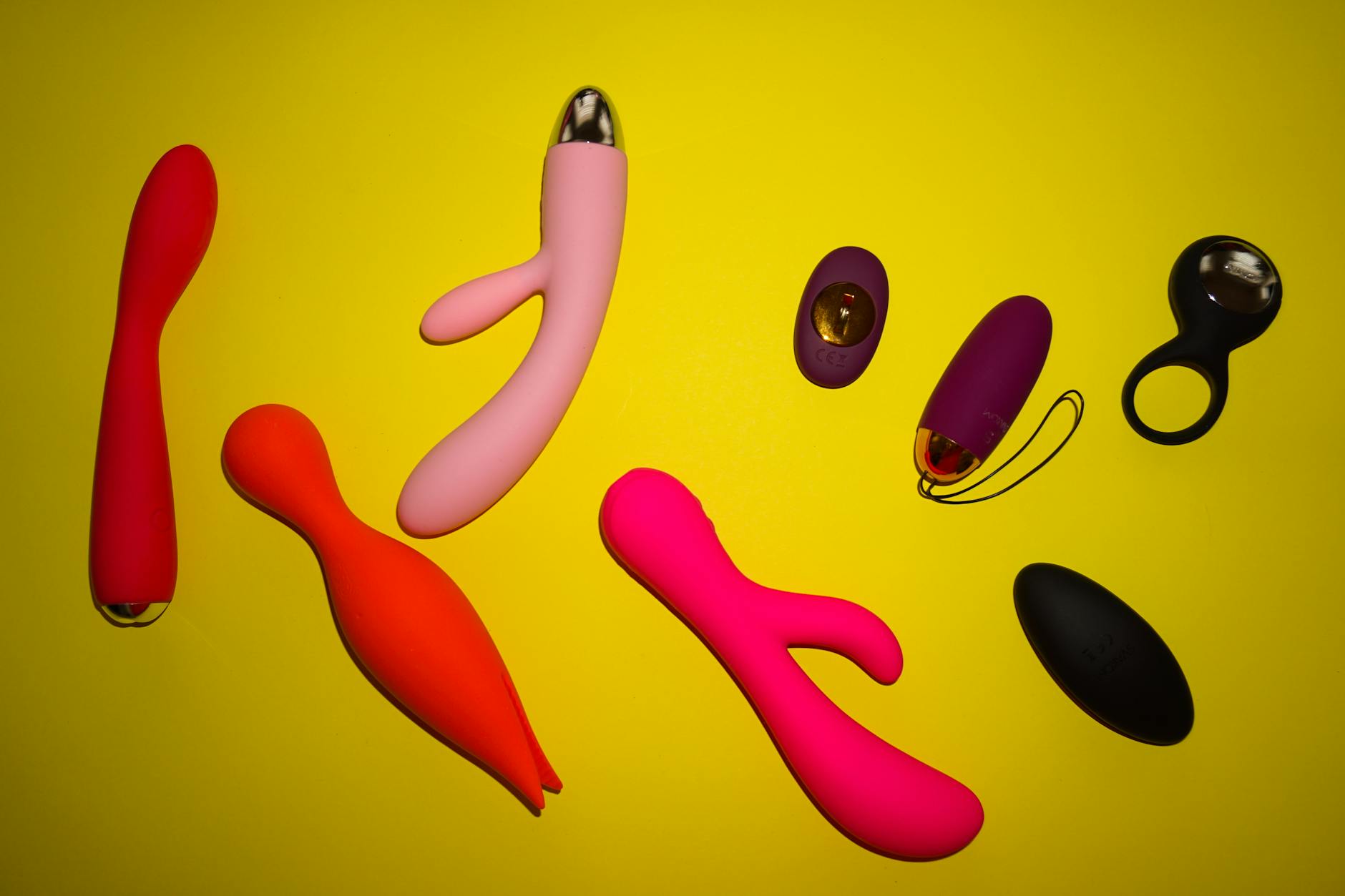
Clitoral vibrators, particularly the sensation-focused design of a lemon sucker like the Lem vibrator, work because they bypass the willpower problem entirely. You don't have to generate desire. The vibrator generates sensation. Your job is just to feel it.
The suction mechanism of lemon clitoral vibrators is useful here specifically because it's different from your own touch. When you're depressed, your touch feels familiar in a bad way. Your hand does what your brain expects. A vibrator does something your nervous system hasn't learned to ignore yet.
That novelty is not shallow. It's neurological. Your brain's pleasure circuit is dormant, but it's not dead. It just needs an input that's surprising enough to register.
Starting when you have zero motivation (and that's okay)
I'm not going to tell you to make this a romantic ritual or light candles. That's not what's happening here. This is functional pleasure. Think of it like physical therapy, but for your arousal circuit.
Set a goal that has nothing to do with pleasure: 3-5 minutes, three times a week, alone. That's it. You're not trying to have an orgasm. You're not trying to feel excited. You're trying to feel something. A tingling. A pull. Attention in your body instead of spinning in your head.
Start with the lowest setting. A lemon vibrator at pattern 1 is genuinely gentle. You're looking for sensation, not intensity. If even that feels too much, use the device over underwear or through a blanket. The goal is to retrain your nervous system to register pleasure as a neutral event, not a threat.
Honestly? Many people notice that the first time they feel anything like pleasure returning is a surprise. It sneaks up. You're on your fourth session and suddenly your stomach does a small flip. That's the signal coming back online.
The nervous system piece (because willpower isn't the issue)
When you're depressed or burned out, your vagus nerve is offline. Your parasympathetic nervous system, which handles rest and pleasure, is in the back seat. Your sympathetic nervous system, which handles threat and survival, is in charge.
Sensation and touch are one of the few tools that can activate the parasympathetic system directly, without needing your prefrontal cortex to cooperate. A vibrator is basically a physical hack into your body's calming system.
This is why touching yourself when you're depressed feels impossible, but being touched by a device feels slightly more possible. Your brain doesn't have to want it. Your body just has to receive it.
Frequency and patience (the unglamorous part)
Most people need 2-3 weeks of consistent, low-pressure use before pleasure starts to feel less foreign. Some need 4-6 weeks. There's no timeline where "faster" is better. You're not racing toward an orgasm. You're slowly teaching your nervous system that pleasure is safe again.
If you have a partner, tell them what you're doing. Not as a door open to participation, but as information. "I'm working on rebuilding my body's connection to pleasure. I need solo time to do this." Their job is not to help. Their job is to respect the boundary.
When sensation starts coming back
Once you've reestablished baseline sensation, you can play with intensity. Move to pattern 2 or 3. Maybe you want longer sessions. Maybe you want to explore different pressures or angles.
Here's where you might notice something important: your pleasure is probably different than it was before the depression or burnout. It might be quieter. More located in specific areas. Less all-consuming. Let it be that. You're not trying to get back to exactly where you were. You're learning what pleasure looks like now, post-burnout.
The permission piece
Depression and burnout often come with a side dish of shame. You're not productive enough. You're not present enough. You're not enough, period. Adding "I should be horny" or "I should want my partner" to that pile is just more weight.
Pleasure during recovery is not selfish. It's genuinely therapeutic. When you activate the parasympathetic nervous system, you lower cortisol, boost dopamine, and give your brain permission to believe that you're safe enough to feel good.
Restarting with a lemon vibrator is honest. It's you saying: "I can't generate desire right now, but I can receive sensation. And that's enough to start." That's not settling. That's knowing where you actually are and building from there.
Connecting with your partner afterward (if that's relevant)
Once you've spent 3-4 weeks rebuilding sensation solo, partnered sex might start to feel less impossible. You're not there to perform. You're there to experience what's actually happening in your body.
The suction-based sensation from a lemon clitoral vibrator is also handy in partnered contexts if your depression or burnout has made typical stimulation feel too much. A toy can take some of the pressure off penetration or direct touch, letting your body receive pleasure at its own pace.
What doesn't help (and what does)
Don't try to push through numbness by going harder. More intensity doesn't wake up a sleeping pleasure circuit. Consistency and patience do. Don't tie this to any other goal. Not orgasms, not reconnecting with your partner, not "fixing" your depression. Just sensation. Just you and your body learning to talk again.
What actually helps: showing up. Being curious instead of demanding. Using the lowest setting long enough. Trusting that your nervous system has not forgotten how to feel. It hasn't. You're just giving it the right signal.
FAQ
How long does it typically take to feel pleasure returning after depression?
Most people notice the first signs of sensation returning in 2-3 weeks with consistent use of a lemon vibrator at low intensity. Full pleasure circuit reactivation, where orgasm feels accessible again, can take 6-8 weeks or longer depending on depression severity and whether you're still in an active depressive episode. If you're on antidepressants, some medications flatten sensation more than others. That's worth discussing with your prescriber. Patient consistency matters far more than intensity.
Can I use a lemon vibrator while I'm still on antidepressants?
Yes. Many people regain pleasure while medicated. Some antidepressants (particularly SSRIs) do reduce sensation, but using a clitoral vibrator with strong, reliable sensation can help override that effect. If you've been on the same medication for 6+ weeks and pleasure still feels completely gone, talk to your doctor about switching or adding an adjunct medication. The vibrator isn't a replacement for medical care, but it's a useful tool alongside it.
What if even the lowest setting feels too intense or triggering?
Start over clothes or under a blanket. You're desensitizing yourself to sensation very gradually. Some people need 1-2 weeks of that before going direct. There's no shame in that. If even vibration through fabric feels overwhelming, take a break for a few days and try again. You're not failing. You're finding your nervous system's actual starting point.
Should I try to orgasm or just focus on sensation?
Just focus on sensation for the first 3-4 weeks. Orgasm has a goal-oriented pressure baked into it. When you're depressed, goals feel like more weight. Instead, you're training your body to notice pleasure without demanding an outcome. Orgasms will likely follow naturally once the pleasure circuit is warm again. But they're not the point right now. Feeling something is the point.
Is it normal to feel emotionally vulnerable or cry during or after using a lemon vibrator while recovering from depression?
Completely normal. Reactivating pleasure can also reactivate emotion. Your nervous system is waking up. Sometimes that means numbness cracks and feelings come back in waves. That's not a sign to stop. It's a sign it's working. Cry if you need to. Feel whatever comes up. Your body is learning it's safe to feel again.
Can lemon vibrators help with arousal after burnout specifically, or just depression?
Burnout is actually a different nervous system state than clinical depression. It's characterized by exhaustion, cynicism, and reduced efficacy. Lemon clitoral vibrators help with burnout-related numbness the same way they help with depression: by providing external stimulus that your depleted nervous system doesn't have to generate. The novelty of a vibrator can feel easier than trying to access pleasure from inside an empty tank.
The key difference is that burnout recovery also needs boundary setting and rest. Using a vibrator while still running on fumes won't stick. You need actual recovery time too. The vibrator is part of the toolkit, not the whole thing.
Starting again after depression or emotional burnout is not about willpower or wanting it enough. It's about having the right tool and the patience to use it consistently. A lemon clitoral vibrator is that tool. Your body hasn't forgotten how to feel. It's just waiting for a signal strong enough to wake up. That signal is coming. Be patient with yourself while you send it.
If you're struggling with ongoing depression or if pleasure doesn't start returning after 6-8 weeks of consistent use, talk to a therapist or doctor. Sometimes the numbness points to something that needs professional support alongside self-care tools. That's not a failure. That's you being smart about your own healing.