
Let's start with what nobody tells you
Healing from surgery or injury doesn't mean your sexuality pauses. But your body does need a different conversation right now. The tissues are rebuilding, nerve sensitivity is unpredictable, and what felt good three months ago might feel wrong today. That's not dysfunction. That's healing.
The good news: lemon vibrators, with their air-pulse design, are often the safest way to reconnect with pleasure during recovery because they don't rely on the direct friction that can irritate sensitive tissue.
Why lemon clitoral vibrators work differently when you're healing
Most vibrators use direct oscillation. They vibrate against tissue, which creates intensity through mechanical stimulation. If you're early in recovery from surgery, gynecological procedures, or trauma, that friction can feel too intense or even painful, even at low speeds.
Lemon vibrators use suction and gentle pulsing instead. The air-pulse technology creates a gentle wave of sensation without pressing or grinding against sensitive areas. Think of it as the difference between a handshake and a hug. One is more concentrated pressure; the other is enveloping and diffuse.
This matters during recovery because your nervous system is already processing healing signals. Introducing a toy that works with your body's current state, not against it, makes all the difference.
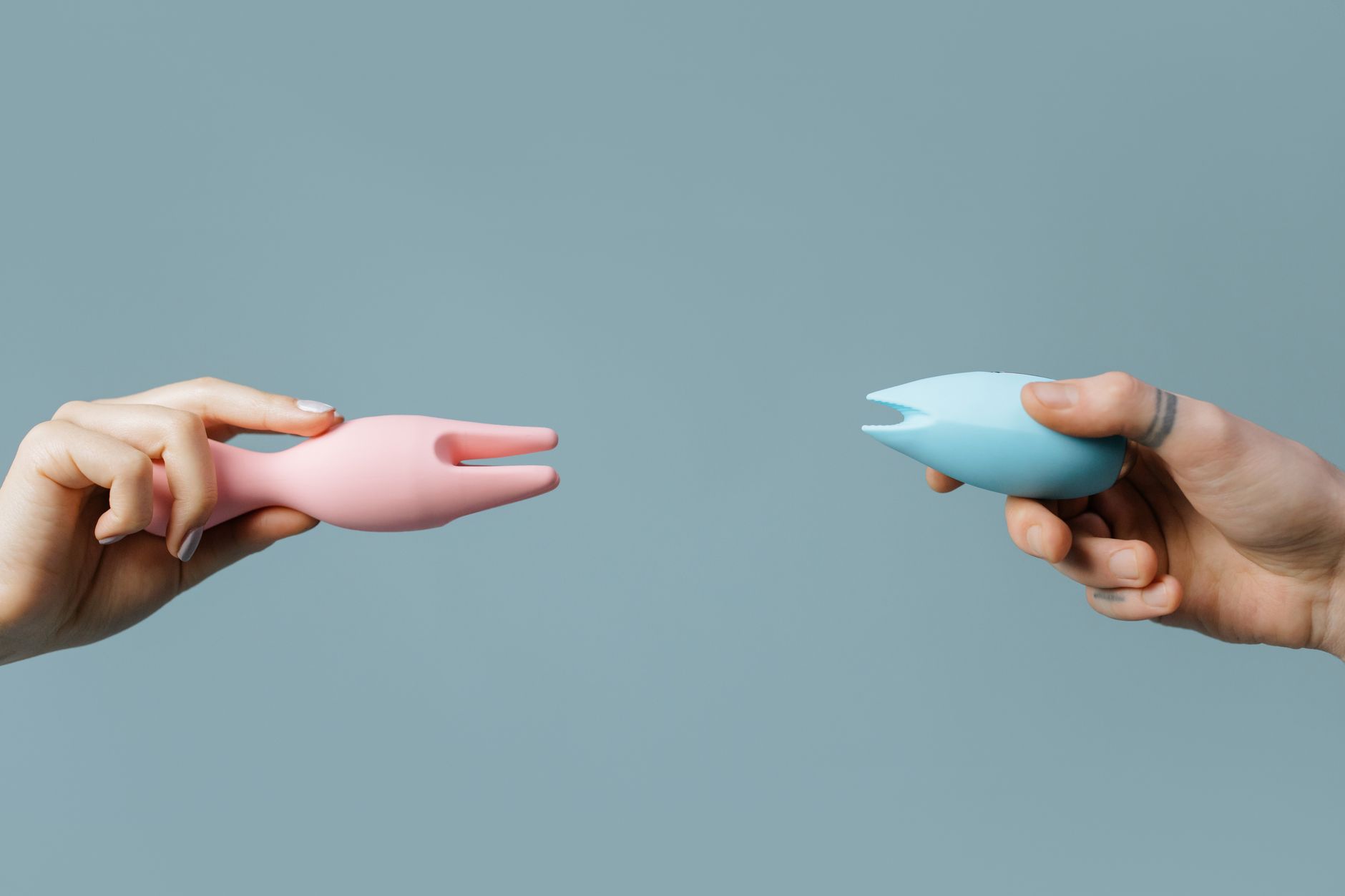
Photo by cottonbro studio on Pexels
The timeline matters more than you think
Your doctor cleared you for sex. Great. But "cleared for sex" and "ready for all the sensations you used to enjoy" are two different timelines.
If you're within the first 6-8 weeks post-surgery, stick to the lowest settings. I mean the absolute lowest. Start at level 1 and stay there for several sessions before experimenting higher. Your nervous system is still mapping out what's safe, and flooding it with intensity sends confusing signals.
If you're 2-3 months out and sensation still feels muted or unpredictable, that's normal. Scar tissue formation and nerve regrowth don't follow a straight line. Some days the tissue will feel almost normal; other days it'll feel raw even though nothing has changed. A tool you can dial down to near-whisper sensation (lemon vibrators excel at this) gives you control.
If you're past three months and still experiencing sharp pain or numbness that isn't improving, loop in your surgeon or pelvic floor physical therapist before continuing. Pleasure should never feel like injury.
Starting small: the first session framework
Here's what I recommend for the first time using a lemon vibrator during early recovery.
First, set up intentionally. You're not trying to achieve an orgasm. You're gathering information. Light, clothes off, somewhere private, phone on silent. Ideally not right after pain medication (your body's feedback signals will be muffled).
Second, warm up your nervous system before you touch the toy. Spend 10-15 minutes with deep breathing, gentle self-touch on non-sensitive areas (inner arms, neck, thighs), or whatever felt good before recovery. You're reminding your nervous system that pleasure is possible.
Third, apply water-based lubricant generously. Even if you don't think you need it, use it anyway. It reduces any sensation of friction and signals to your body that this is a pleasure session, not a medical procedure.
Fourth, start the lemon vibrator on its lowest setting and hold it close but not directly against the clitoris. The sensation should feel like a gentle whisper, not even contact. Some people describe it as hovering the toy just above the tissue. Let your body get used to the vibration pattern before you make direct contact.
Stop after 5-10 minutes regardless of what happens. You're not trying to climax. You're rebuilding a conversation with your body. That's the whole win.
Managing unpredictable sensation during recovery
One of the hardest parts of early recovery is that your body's responses aren't consistent. One day the sensation feels good and warming; the next day the same settings feel too intense or absent.
This isn't a reflection of your healing progress or your sexuality. It's inflammation, scar tissue shifts, hormonal fluctuations, and nerve regrowth all happening at different rates.
Here's what helps: Keep a simple one-line journal. Date, settings you used, and how it felt (good, neutral, too intense, muted). After 3-4 weeks of data, you'll see patterns. Maybe mornings feel better than evenings. Maybe certain times in your cycle bring back more sensation. Maybe level 2 is the sweet spot and level 3 is too much. That information lets you approach sessions with realistic expectations instead of frustration.
When sensation feels muted, resist the urge to turn up the intensity. Instead, slow down. Extend your warm-up. Breathe more consciously. Sometimes the sensation isn't absent; it's just a different frequency, and you need to recalibrate your attention to find it. If you jump straight to high settings, you're training your nervous system to need intensity instead of rebuilding sensitivity.
Communicating during recovery if you have a partner
If you're in a relationship, your partner probably has their own feelings about this recovery period. They might feel: locked out, worried about hurting you, uncertain whether you want them involved, or their own grief about the temporary loss of a shared intimacy practice.
Those feelings are valid and separate from what's happening with you and the lemon vibrator.
Here's the conversation to have: "I'm exploring pleasure again with a tool that works with my healing body. I'd like you to understand that this isn't about you or about what we'll do together later. This is me learning what my body can feel right now. When I'm ready to include you, I'll tell you."
If your partner wants to be involved, consider having them present but not hands-on during the first few sessions. They can sit nearby, maybe provide comfort (a hand on your shoulder, listening to your breathing), but the toy and your body are the main conversation. Later, if you want them to learn how to use the lemon vibrator with you, that's a different conversation entirely.
When to pause and ask for professional support
I'm giving you general guidance, but your body might need specialized help. Here's when to loop in your surgical team or a pelvic floor physical therapist:
If pain intensifies during or after using the lemon vibrator, that's a signal to stop and get checked. Pain during pleasure isn't something to push through.
If you're more than 3 months out and sensation still feels completely absent even in non-toy contexts, talk to your doctor. Sometimes desensitization after surgery needs additional support.
If you're having intrusive thoughts during pleasure (flashbacks, dissociation, panic), your nervous system needs trauma-informed support, not a toy adjustment. A therapist who specializes in sexual trauma can help you rebuild safety.
These aren't failures of your recovery. They're signals that you need a different kind of help, and that's completely okay.
Building your way back to fuller sensation
Recovery isn't linear, but it does move forward. Over weeks and months, as tissue heals and nerves regenerate, you'll probably notice that higher settings become more comfortable, that sessions can extend longer, and that sensation feels more consistent.
When you're ready to build intensity, increase by one level at a time and spend at least a week at each setting before moving up. This gives your nervous system time to adjust and helps you actually enjoy what you're feeling instead of chasing sensation.
Some people find that their pleasure actually deepens during recovery because they've slowed down enough to notice subtlety. That's a real thing. Your most satisfying sensations might be ahead of you, not behind you.
Use a toy like the Lem because it's designed to honor your body's current state while you're rebuilding. That's the whole point.
FAQ
How soon after surgery can I use a lemon vibrator?
Wait for your surgeon's clearance, but assume that clearance is the starting line, not the finish line. Most people are safe to start around 6-8 weeks post-op, but start at the absolute lowest setting and proceed slowly. Your surgeon cleared you for activity; they didn't say your tissue is back to baseline. Give yourself 4-6 weeks of gentle exploration before ramping up intensity.
Will using a toy slow down my physical healing?
No. If anything, healthy blood flow and the relaxation response that comes with gentle pleasure supports healing. The key is gentle. High-intensity stimulation or aggressive sessions might introduce inflammation, but calm, low-level use won't. When in doubt, ask your physical therapist.
What if I feel emotionally disconnected from pleasure during recovery?
That's incredibly common. Surgery or injury can activate grief, loss, vulnerability, or anxiety about your body. A toy won't fix those emotions. What it can do is create small moments where you're reconnecting with your body as a source of sensation rather than pain. Don't expect pleasure; expect information. The emotional reconnection often comes later.
Should my partner be involved in my recovery journey with a lemon vibrator?
That's your call entirely. Some people want total privacy during recovery; others want their partner present. Neither is wrong. If you choose to involve your partner, start with them understanding that this is your exploration, not a couples activity. Once you're further along, you can shift the dynamic if you both want to.
Can I use a lemon vibrator if I have numbness or muted sensation?
Yes, and you should. Gentle stimulation with an air-pulse toy can actually help rewake dormant nerves because the sensation is different from what damaged tissue usually receives. Start with short sessions and very low settings. Over time, consistent gentle stimulation often brings sensation back online, but there's no guarantee. Be patient with the process.
What if I never regain the sensation I had before?
Some people don't, and that's a real grief to process. But most people find that sensation changes, not disappears entirely. It might feel different, arrive on a different timeline, or need different types of stimulation. Your sexuality isn't dependent on one specific sensation profile. With exploration and patience, you'll find what works for your healed body. A sex therapist or somatic practitioner can help you navigate that shift if you're struggling with it emotionally.
You're rebuilding more than pleasure
Using a lemon vibrator during recovery isn't really about the toy. It's about reclaiming agency over a body that's been handled by doctors, reshaped by healing, and probably felt unsafe for a while. Each gentle session with a tool designed for your body's current state is a small act of self-trust.
Take your time. Notice what feels possible today instead of grieving what used to feel good. And remember that recovery is the middle chapter of your sexual story, not the ending.
When you're ready to explore deeper or bring a partner back into the conversation, we're here to help. For more on navigating intimacy during life transitions, check out our post on rebuilding intimacy after extended time apart, or starting air-pulse stimulation for the first time. And if questions come up, reach out anytime.