The hypersensitivity trap
Let's be real: you're not broken. That raw, almost electric feeling when anything touches your clitoris after you've been aroused is a real physiological state, not a sign you're doing something wrong. It happens to a lot of people, and it's usually temporary. But temporary doesn't make it less frustrating when you're mid-session and suddenly direct contact feels more like a zap than pleasure.
Hypersensitivity hits differently than numbness. You're not looking for more sensation. You're looking for the right kind of sensation. Direct finger pressure or traditional vibration patterns can feel overwhelming or even painful when your clitoris is already flooded with blood and stimulated. The fix isn't to power through. It's to change the tool.
Why this happens (the short version)
Your clitoris has about 8,000 nerve endings concentrated in a tiny space. During arousal, blood rushes to the area, making those nerves more reactive. For some people, that means heightened pleasure. For others, it means heightened everything. Touching that sensitive tissue directly feels like too much, too fast.
Age, hormonal shifts, medication, and even recent stress can amplify this. Some people experience it for years. Others notice it only sometimes. The consistency doesn't matter. What matters is having a strategy for when it shows up.
How air-suction clitoral vibrators work differently
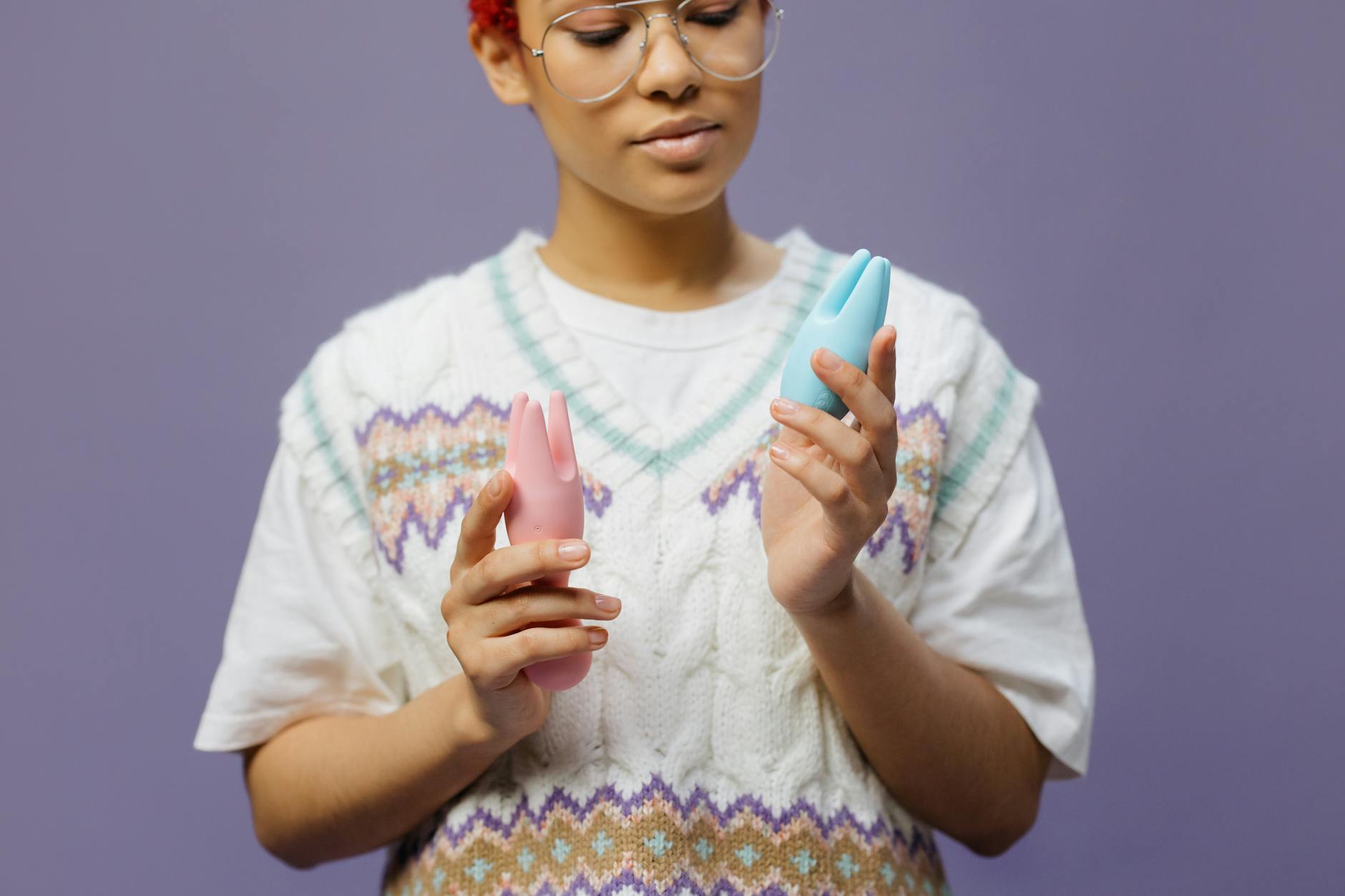
This is where lemon vibrators like the Lem change the game. Instead of direct vibration against sensitive tissue, air-suction devices create a gentle sucking sensation that stimulates without friction. Think of it as indirect access to pleasure.
The mechanism is simple: a small cup fits over the clitoris and uses rhythmic pulses of air to create suction and release. This distributes sensation across a wider area instead of concentrating all pressure on one hypersensitive spot. For people dealing with hypersensitivity, that difference is enormous.
You're not fighting against your body's response. You're working with it using a tool designed for exactly this problem.
Starting with the lowest setting (and why)
Don't skip this step. Even if you usually go hard on intensity, hypersensitivity is a signal to recalibrate.
With a lemon sucker or similar clitoral vibrator, start at pattern 1 or the absolute lowest intensity. Spend 5-10 minutes here. This isn't foreplay padding. This is your body learning that the sensation is safe and pleasurable, not overwhelming. Your nervous system needs that information.
The goal isn't to rush toward orgasm. It's to rebuild the map of what feels good at each intensity level. Many people find that sensitivity actually decreases as they stay at a lower intensity for longer. Your body acclimates.
Positioning and distance matter more than you think
Don't assume the cup has to fit perfectly. Experiment with slight angles and distances.
Some people find that positioning the cup slightly to one side, rather than centered directly over the clitoris, reduces the intensity enough to feel good without being numb. Others prefer holding it a fraction of an inch away from direct contact, letting the air pulses reach the tissue without full suction pressure. You're not using the device wrong. You're customizing it to your sensitivity level.
This takes a few sessions to figure out. Use that time. Your clitoris isn't going anywhere, and finding the exact angle that works for you is genuinely worth the experimentation.
Building tolerance gradually
Hypersensitivity often softens with repeated, gentle exposure. It sounds counterintuitive. But your nervous system responds to consistent, non-threatening stimulation by downregulating that alarm response.
Use your lemon clitoral vibrator at low intensity for 10-15 minutes every few days, if you can. Not because you need to orgasm every time, but because your body learns that this sensation is manageable. After a week or two of this, you'll often notice that the same intensity that felt sharp now feels pleasant.
Then, and only then, experiment with moving up to the next pattern or intensity. This isn't about achievement. It's about letting your body's sensitivity normalize at its own pace.
When to take a break
If sensitivity spikes or pain shows up, stop. Seriously. This isn't toughness training.
Pain during self-pleasure is a red flag that something needs adjustment. That could be medical (ovarian cysts, vulvodynia, or other conditions can cause flare-ups), or it could simply mean you're pushing too fast. Either way, stepping back is the right call.
Take a few days off if you need to. Use this time to check in: Are you stressed? Did your medication change? Are you approaching this from a place of pressure or genuine desire? Sometimes hypersensitivity is partly nervous system activation, and rest genuinely helps.
Using lemon vibrators with a partner
If you're partnered, this is where communication becomes essential. Hypersensitivity isn't about your partner doing something wrong. But your partner needs to understand that the typical pace or pressure won't work right now.
One approach: introduce your lemon vibrator as something you're exploring together, not as a replacement for them. Use it during foreplay. Let them hold it if you're comfortable. The point is shared experimentation, not you retreating into a solo tool.
If your partner is worried they're not enough, this is the conversation to have directly. "My sensitivity is high right now, and this tool helps me feel good. It's not about you. It's about my body's current state." Honest, simple, done.
The patience piece (and why it matters)
Hypersensitivity can feel isolating because pleasure becomes conditional again. You have to work around it. You have to know the right angle. You can't just dive in. That's frustrating, and the frustration itself sometimes makes the sensitivity worse.
Give yourself grace here. This is temporary in almost every case. And even while it's happening, clitoral vibrators designed for sensitivity work beautifully. You're not broken. You're just recalibrating.
Your pleasure isn't gone. It's just asking for a different approach. And honestly? That approach often teaches you more about what you actually like than you'd learn any other way.
FAQs
Why does my clitoris feel so sensitive after I start getting aroused?
Blood flow to the area increases as you become aroused, and that concentration of blood makes the 8,000 nerve endings more reactive. For some people, that's a pathway to amazing sensation. For others, it crosses into hypersensitivity territory where direct pressure feels painful instead of pleasurable. It's not abnormal. It's just how your particular nervous system is wired, and it often shifts with stress, hormones, and age.
Can I use a regular vibrator if my clitoris is hypersensitive?
You can, but direct vibration often makes hypersensitivity worse because it concentrates all the stimulation on the most sensitive spot. Air-suction clitoral vibrators like lemon toys distribute sensation more evenly and allow you to control intensity and distance more precisely. If you only have access to a regular vibrator, try using it on the lowest setting, at a distance from direct contact, or through a thin layer of fabric. The goal is reducing concentrated pressure.
How long does hypersensitivity usually last?
It varies wildly. Some people experience it for weeks. Others notice it comes and goes depending on stress, hormones, and other factors. The important thing is that it's almost always temporary and manageable with the right tools and patience. If it persists for months with pain, check in with a gynecologist because other conditions can mimic hypersensitivity.
Is hypersensitivity the same as vaginismus or vulvodynia?
No, though they can coexist. Hypersensitivity after arousal is usually temporary and specific to that moment. Vulvodynia is chronic pain in the vulva that can happen at any time. Vaginismus is involuntary contraction of the pelvic floor muscles. They're different conditions, though they might feel similar in the moment. If pain is new or worsening, it's worth checking with a healthcare provider to rule out underlying conditions.
Should I avoid masturbation if my clitoris is hypersensitive?
No, but approach it differently. Using tools specifically designed for sensitivity, like air-suction clitoral vibrators, and staying at lower intensities for longer actually helps your nervous system recalibrate. Complete avoidance can sometimes reinforce the fear response. The goal is gentle, consistent exposure at manageable intensity levels, which rewires how your body responds over time.
Can my partner help if my clitoris is hypersensitive?
Absolutely. The best help is communication and patience. Let your partner know what feels good and what doesn't in the moment. Some people find that their partner using a tool like a lemon clitoral vibrator allows both of you to explore pleasure together without the pressure of direct contact. Others prefer to use tools solo while their partner is present. There's no one right way. The conversation is what matters.
When to talk to a professional
Hypersensitivity that comes and goes with arousal usually resolves on its own with the right approach. But if sensitivity is accompanied by pain that doesn't improve, numbness instead of hypersensitivity, or discharge, it's worth mentioning to your gynecologist. Similarly, if you're on new medication and notice hypersensitivity starting around the same time, that's worth discussing with your prescriber.
For relationship questions around this, working with a therapist can help you and your partner navigate the communication piece without shame. Pleasure changes are normal. How you adapt to them matters.
The clitoris is remarkably adaptive. Sensitivity shifts happen. Tools like lemon vibrators exist specifically because this happens to enough people that there's been actual design innovation around it. You're not alone in this, and you're not stuck with this. Give yourself time and the right approach, and sensation usually settles into something beautiful again.