How Lemon Vibrators Help Couples Reconnect After Growing Apart
Let's be real. You've been together long enough that the thought of your partner seeing you use a vibrator feels more exposing than the physical thing itself. And that's exactly why lemon vibrators work so well for couples who've drifted.
Intimacy doesn't usually die in a bang. It evaporates. A busy season becomes a numb season. Touch stops happening. Then the idea of touch feels foreign. Then you're a year in and nobody knows how to restart without it being awkward or feeling like failure. This is the moment when a clitoral vibrator becomes genuinely useful, not as a toy, but as permission.
Why drift happens (and why it's not what you think)
Most couples assume their intimacy problem is sexual. It isn't. It's relational. After months of not touching, your nervous system stops expecting touch from this person. Your brain recategorizes them from "intimate partner" to "logistics partner." You co-manage life. You don't touch.
The sex itself becomes secondary to the fear around returning to it. "What if it's weird?" "What if I don't want it?" "What if they want it more than I do?" These thoughts loop. Neither of you initiates. The gap widens.
Here's what research on long-term couples shows. Reintroduction of touch, especially touch with an element of play, is the fastest way to restart the nervous system's sense of safety around intimacy. You're not trying to have earth-shattering sex. You're trying to remember that your body can respond, and that theirs can too.
What lemon vibrators do differently
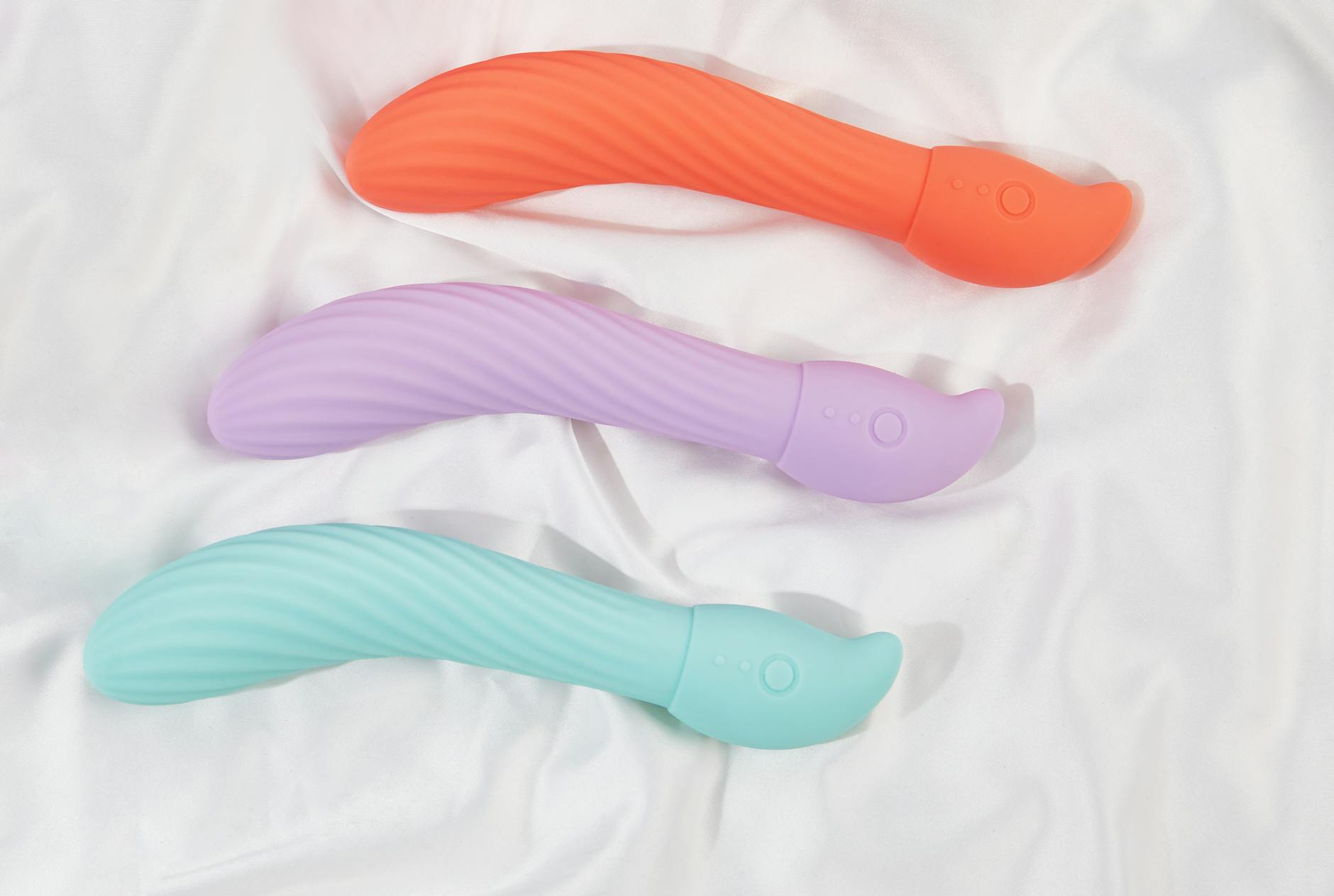
Clitoral vibrators like the Lem work because they're specific. They focus on one sensation. That specificity removes decision fatigue from the equation. You're not lying there wondering if this is going where intimacy goes. You're not performing. You're experiencing something direct.
For drifted couples, that matters. When you've been distant, the idea of partnered sex often feels loaded. Vibrators deflate the pressure. They're not about your partner, they're not about proving anything to yourself, they're just about pleasure as a standalone experience.
And here's the thing about lemon sexual toys and other clitoral vibrators. They're designed for reliability, not performance. You put it on, the sensation is consistent, the outcome is pretty likely. That predictability is exactly what anxious nervous systems need when they're learning to trust pleasure again.
The conversation that makes it work
You can't just pull out a vibrator and expect your partner to understand it as reconnection. You need 30 seconds of honest language first.
Here's what I recommend: "I miss us. I want to rebuild this. I don't think jumping straight into sex is the answer because there's too much pressure there. I want to try something that feels less loaded. Would you be open to that?"
Then show them what you're thinking. A lemon clitoral vibrator isn't mysterious. It's not threatening. It's a tool that makes pleasure straightforward.
Some partners will want to be there while you use it. Some won't. Either is fine. The goal isn't performance for them. The goal is you remembering that your body has a pleasure response, which defogs the entire relational dynamic.

Photo by cottonbro studio on Pexels
Some couples find that watching each other use a lemon vibrator creates a reentry point into touch that neither of them could initiate alone. You're not yet vulnerable with the other person's hands, but you're vulnerable with your own and their presence. That's a real step.
Why lemon sucker technology changes the game
Most people trying to rebuild intimacy reach for regular vibrators, which often feel too intense or too direct when you're already anxious. Clitoral suction vibrators like the Lem work differently.
They use air-pulse technology instead of buzzing. That means gentler, more rhythmic stimulation. For someone whose nervous system has been dormant, that's less shocking. The sensation builds rather than stuns. It's easier to stay present with it.
This matters for couples rebuilding because presence is the whole game. If the sensation is uncomfortable or overstimulating, you'll tense up, your partner will notice, and you're back to avoidance. A lemon vibrator with suction technology gives your nervous system what it actually needs: gentle, predictable, buildable pleasure.
Making it a couple's experience without pressure
There's a difference between using a vibrator alone and using it as part of reconnection. Both are valid, but reconnection requires intentionality.
Start small. Maybe you use it while your partner is in the room, not watching, just present. You can talk, you can be quiet, the point is you're together. Next time maybe they're closer. Eventually maybe you're touching them while using it, or they're holding you.
The progression is: alone in presence. Presence with proximity. Presence with touch. Actual partnered exploration. You don't have to reach the last step. But most drifted couples find that once they're touching again, even in this scaffolded way, the rest follows.
What happens when you reconnect
Here's what I see in my practice. Couples who use vibrators as a reentry point to intimacy don't usually stay there. They use it for a few weeks or months, and then something shifts. The shame lifts. The nervous system remembers that their partner's touch is safe. Suddenly they're having sex without the vibrator, or with it, or sometimes not even thinking about sex at all because they're back to just touching.
The vibrator was never the point. The point was permission. It said, "You can want this. Your body can have this. You don't have to perform or prove anything."
Once that permission is internalized, couples usually find their own rhythm. Some keep using lemon vibrators as part of their regular intimacy because it feels good. Some don't. Both are fine.
The shift is usually not about more pleasure. It's about less shame. And from there, everything else becomes possible.
Introducing it without awkwardness
The conversation doesn't have to be serious. Honestly, it shouldn't be. Overly solemn discussions about intimacy often backfire because they add weight to something that should feel light and exploratory.
Try this: "I saw this thing online and honestly it looks kind of cool. Want to check it out together?" or "I've been thinking about ways we could rebuild some of the fun we've lost. What if we tried something that feels less like performance and more like play?"
You can even laugh about it. Laughter actually defuses the nervous system faster than any serious conversation. The fact that you're being vulnerable about wanting your partner's presence while you explore pleasure is already brave. Lightness gives you space for that bravery.
When to consider professional support
If drift has been happening for years, a vibrator isn't going to fix the underlying relational patterns. But it can be a good starting point for couples therapy. You come in and say, "We've been disconnected. We tried reintroducing some play and touch, and now we want support rebuilding the emotional connection too."
A good couples therapist (I recommend anyone trained in the Gottman Method if you can find them) will help you rebuild communication patterns that probably eroded alongside the physical intimacy. The vibrator is the bridge. The therapist helps you build what comes after.
FAQ
Can a lemon vibrator really rebuild intimacy?
A vibrator is not a relationship cure. But it is a tool that removes a specific barrier: shame around pleasure and permission to touch. For couples whose drift is rooted in anxiety rather than incompatibility or deeper conflict, it can be genuinely transformative. The key is treating it as part of reconnection, not as a replacement for other forms of contact.
What if my partner thinks using a vibrator means I'm not satisfied with them?
This is the most common fear, and it's usually rooted in a misunderstanding. A clitoral vibrator doesn't replace partner touch. It's a different sensation entirely. In fact, many couples find that using a lemon sucker together or with each other present actually increases their overall intimacy because it removes the pressure from partnered sex to be the only source of pleasure.
Is there an age where lemon vibrators stop being relevant for couples?
No. If anything, lemon vibrators work better after menopause for some people, and older couples often find them useful for reconnection because they lower the pressure around performance. Pleasure doesn't have an expiration date.
How do I know if I need a vibrator to reconnect or if we just need couples therapy?
If your drift is mostly about reduced touch and anxiety, a vibrator can be a good first step. If your drift is rooted in deeper conflict, resentment, or incompatibility, you need a therapist first. Often it's both. You might introduce a vibrator as a way to rebuild touch while also starting therapy to address the underlying relational patterns.
What if I want to use a lemon vibrator but my partner doesn't want to participate?
That's fine. You don't need their active participation for reconnection to start. Using a vibrator alone, in a space where your partner knows about it and is okay with it, is already a form of vulnerability and permission. Many couples find that once one partner is reconnected to their own pleasure, the energy around intimacy shifts, and the other partner feels that shift.
Can we use a vibrator without it being awkward the first time?
Yes, if you approach it as exploration rather than performance. Keep the conversation light. Acknowledge that it might feel a little strange at first (it probably will). Set a low bar for what success looks like. Maybe it's just being in the same room. Maybe it's a conversation afterward. Success is not necessarily immediate pleasure. It's beginning again.
Next steps
If drift has happened in your relationship, reintroducing touch is brave work. A lemon clitoral vibrator is one tool. But really, the tool is permission. Permission to want. Permission to be vulnerable. Permission to rebuild.
If you want to explore this more deeply, or if you're not sure where to start, reach out. I work with couples on exactly this kind of reconnection, and I'm here to help make the conversation less awkward and the reentry less scary.
Your intimacy matters. Your pleasure matters. And reconnection is always possible if both of you are willing.