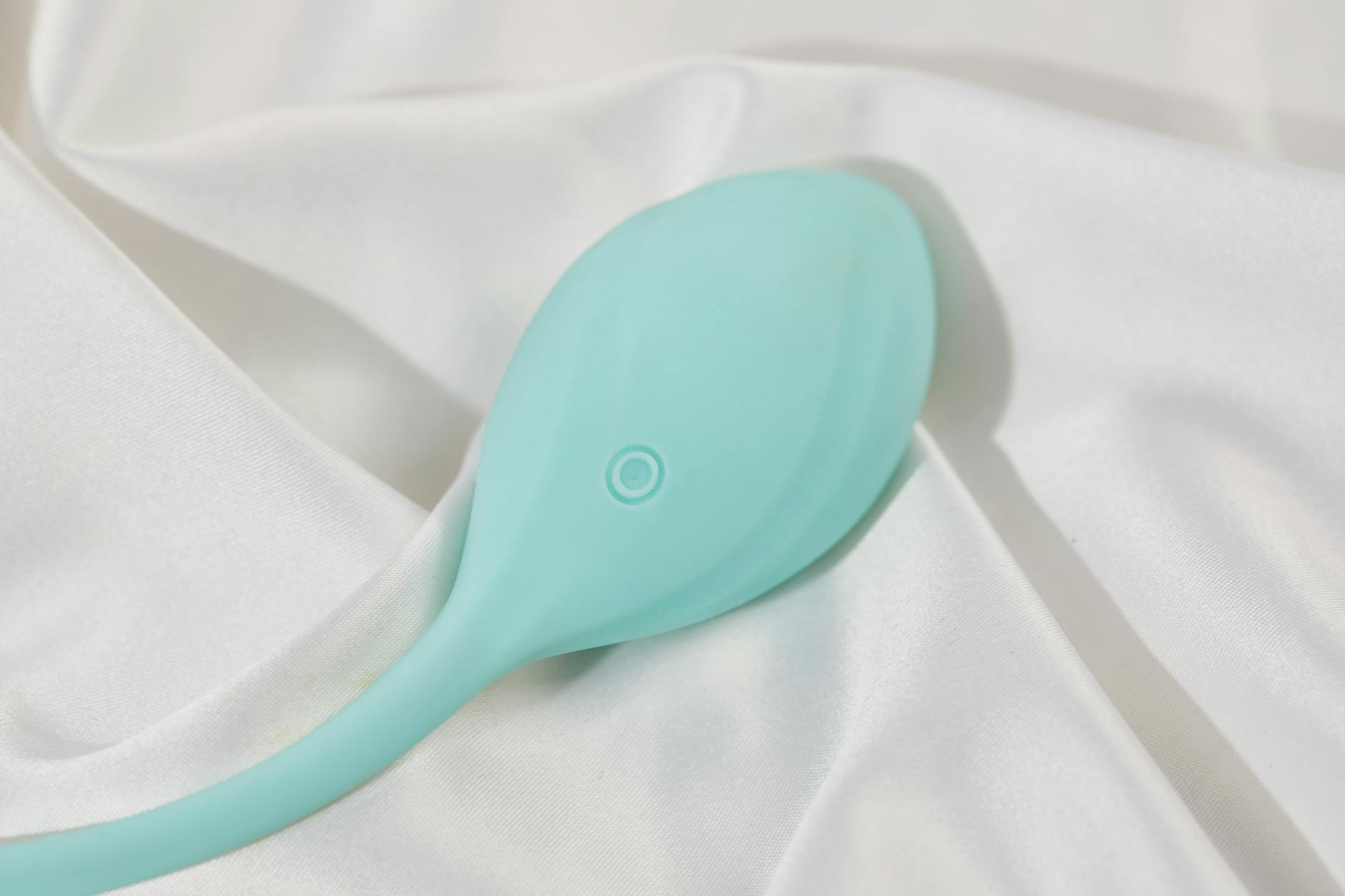
Your thirties feel like a completely different body
Let's be real. Something shifts between twenty-five and thirty-five. Your orgasms might feel less like lightning strikes and more like slow burns. Your arousal takes longer to ignite. Sensation feels both more intense and somehow distant at the same time. You might assume something's broken. It's not. Your nervous system is just maturing.
Your clitoris at twenty-eight is not the same as your clitoris at thirty-eight, and that's not a loss. It's a recalibration. Understanding what's actually happening physiologically helps you stop fighting the changes and start working with them. That's where lemon vibrators, especially air-suction devices like the Lem, make a profound difference.
The nervous system shifts you're not told about
In your twenties, your nervous system is hair-trigger sensitive. Quick arousal, rapid-fire orgasms, recovery time measured in seconds. Your body is primed for speed because biologically, that was the evolutionary sweet spot for reproduction. It's efficient. It's not subtle.
By your thirties, something quieter happens. Your nervous system becomes more nuanced. The arousal pathways that fired instantly now prefer context. Your brain matters more. Your emotional state starts to directly shape what your body is capable of feeling. This is not a deficiency. Couples therapists and sex educators call this the beginning of real pleasure, because it means your body is finally listening to what you actually want instead of just running its default program.
Here's the practical translation. That toy that worked brilliantly at twenty-three? The one with the relentless vibration pattern that got you there in ninety seconds? It might feel too blunt now. Not because your sensitivity has dropped, but because your nervous system has learned to distinguish between different types of stimulation. You want nuance. You want layers.
Arousal takes longer, feels deeper
This is the shift that surprises most people entering their thirties. Arousal used to be instantaneous. Now it requires a runway. Some of my clients describe it as needing ten to fifteen minutes of mental space before their body catches up. Others notice that stress, work anxiety, or relationship tension now directly throttles their capacity to get turned on in a way that barely registered at twenty-five.
This is not low libido. This is specificity. Your body is asking for better conditions. It wants you to be more present.
When arousal takes longer, the type of stimulation matters more. A vibrator that overstimulates from the first second can actually make it harder to build arousal gradually. This is where lemon clitoral vibrators genuinely change the game. The suction-based design of devices like the Lem creates a sensation profile that builds. You can start at low intensity and work your way up. Your nervous system can track the progression. Your arousal can deepen instead of spike and crash.
Instead of "instant on, done in two minutes," you're building something that lasts fifteen, twenty, sometimes thirty minutes. The orgasm that results is often more full-bodied.
Sensation becomes more localized and intense
In your twenties, a strong vibration anywhere in the general vicinity of your clitoris worked. Broad-spectrum stimulation felt good because your nervous system wasn't particularly selective about where the signal came from.
By thirty, many people notice their clitoris has become more exquisitely sensitive to precisely targeted sensation. A vibrator that vibrates in a wide pattern now feels sloppy. You want contact concentrated exactly where it matters.
This is why lemon vibrators work better for people in their thirties and beyond. They use air-suction technology to focus stimulation directly on the clitoral glans and visible portion, rather than spreading vibration across a wider surface area. You get precision. You get intensity without sacrifice of pleasure.
The body's recovery and refractory period shift
In your twenties, you could go again almost immediately. Back-to-back orgasms felt like a natural progression. By thirty, your refractory period might stretch to five or ten minutes, or your body might simply prefer one intense orgasm to a string of smaller ones.
This is also not a loss. This is your nervous system asking you to really feel one experience instead of chasing quantity. A clitoral suction vibrator like the Lem delivers such powerful stimulation that one orgasm often feels complete. Many people find they don't need or want multiples anymore, because the single orgasm is deeper.
Why partner dynamics change (and improve)
One aspect of your thirties that catches people off guard is how differently you relate to partnered sex. In your twenties, spontaneous sex felt like the gold standard. Your body was ready whenever. No warm-up needed.
Your thirties often bring a different preference. Intentional sex feels better than spontaneous. You want to know it's happening so your mind can settle and your body can prepare. You might want a toy involved. You might want to focus entirely on your own pleasure first before bringing a partner into it.
This is not less romantic. It's more honest. Your thirties are when many people stop performing their sexuality and start actually living it.
Hormonal cycles feel more obvious
Hormonal birth control in your twenties often masks what's happening across your cycle. By your thirties, whether you're still using hormonal contraception or have switched methods, you likely notice that your arousal, sensation sensitivity, and orgasm intensity genuinely shift across the month.
Some days a lemon vibrator at setting five feels perfect. Other days in your cycle, you might want to start at setting two and never push higher. Honoring that variation is part of growing into your sexuality. It's not less responsive. It's more responsive because you're listening to your body instead of expecting it to show up the same way every single day.
How to adapt your pleasure practice
If you've been using the same toy at the same intensity the same way since your mid-twenties, your thirties are asking you to experiment differently.
Try longer warm-up periods. Budget twenty minutes instead of ten. Build arousal as the goal, not foreplay on the way to penetration.
Explore different intensity levels. A lemon clitoral vibrator gives you ten or more distinct settings. Instead of defaulting to the highest, start at three and see where your body naturally wants to go. You might be surprised how often it stops at five or six, finding that the sweet spot for your nervous system has shifted.
Notice what else needs to happen. Some people in their thirties find that physical pleasure deepens when they address stress, sleep, or emotional connection first. Your body isn't separate from your life. It's a direct reflection of it.
Pay attention to your cycle. If you menstruate, track how your sensitivity changes across the month. You're not imagining the variation. Your nervous system is more sensitive to hormonal shifts than it was a decade ago.
The pleasure payoff of your thirties
Here's what I tell clients who mourn the speed and ease of their twenties. Your thirties are not the decline. They're the deepening. Your body is learning what actually feels good instead of what's supposed to feel good. That's a massive upgrade.
Many people report that their most satisfying orgasms happen in their thirties and beyond, specifically because they've moved from quantity and speed to quality and depth. A lemon clitoral vibrator is perfectly designed for that shift. It grows with your body instead of fighting it.
Your thirties are not about loss. They're about refinement.
FAQ: Pleasure in Your Thirties
Why does arousal take longer in your thirties?
Your nervous system matures in your thirties, becoming less hair-trigger and more responsive to context. Stress, relationship dynamics, and your mental state now directly influence your capacity for arousal. This is not low libido. It's specificity. Your body is asking for better conditions and more presence, which most people find leads to deeper, more sustainable pleasure once they adjust their expectations.
Do lemon vibrators work better as you get older?
Many people find that suction-based clitoral vibrators like the Lem become increasingly effective in their thirties and beyond. As your nervous system develops more precision, you likely prefer concentrated, targeted stimulation over broad-spectrum vibration. The suction design also allows you to control intensity gradually, which matches how arousal actually works when your nervous system has matured.
Is it normal for orgasms to feel different in your thirties?
Completely normal. Your orgasms might feel less explosive and more sustained. Your refractory period might lengthen. You might find you prefer one deep orgasm to multiples. These are features of a maturing nervous system, not signs of dysfunction. Many sex educators and therapists consider this an upgrade because your orgasms often become more emotionally and physically integrated.
How do hormonal changes in your thirties affect sensation?
Your hormonal cycle becomes more pronounced to your nervous system in your thirties, which means your arousal, sensitivity, and orgasm intensity actually shift across the month. If you use hormonal birth control, this variation might be less obvious, but it's still there. Tracking these shifts helps you work with your body instead of expecting consistency you're not physiologically wired for. A toy like the Lem, with multiple intensity settings, gives you flexibility to match your changing needs across your cycle.
Should I switch toys when I enter my thirties?
Not necessarily. But you might find that your existing toys work better when you use them differently. Instead of defaulting to maximum intensity, explore lower settings. Instead of quick sessions, try longer, slower explorations. If you find broad vibration no longer satisfies you the way it used to, a lemon clitoral vibrator offers the precision and gradual intensity ramp that many people discover they prefer in their thirties. You're not broken. Your pleasure profile is just evolving.
Can relationship stress affect sensation more in your thirties?
Yes. As your nervous system matures, your capacity for compartmentalization actually decreases. You can't as easily separate relationship tension from physical pleasure the way you might have at twenty-three. This means that emotional intimacy, communication, and actual desire become prerequisites for pleasure in your thirties. It's not a flaw. It's your body asking you to get real about what you want and who you want it with.
Your thirties are the beginning, not the end
I work with people regularly who panic that their thirties mark the start of decline in their sexual capacity. Every single time, I tell them the same thing. Your thirties are when pleasure actually starts. Your twenties were the warm-up. Now your nervous system knows how to feel. Now your body can ask for what it needs. Now your orgasms mean something.
Let your body change. Work with it instead of against it. Pick tools and practices that match where you actually are, not where you were ten years ago. A lemon clitoral vibrator adapts to that shift beautifully because it gives you the control to build sensation gradually, to stay precise, to honor how your nervous system wants to be touched now.
Your thirties feel different because they are different. Better different.