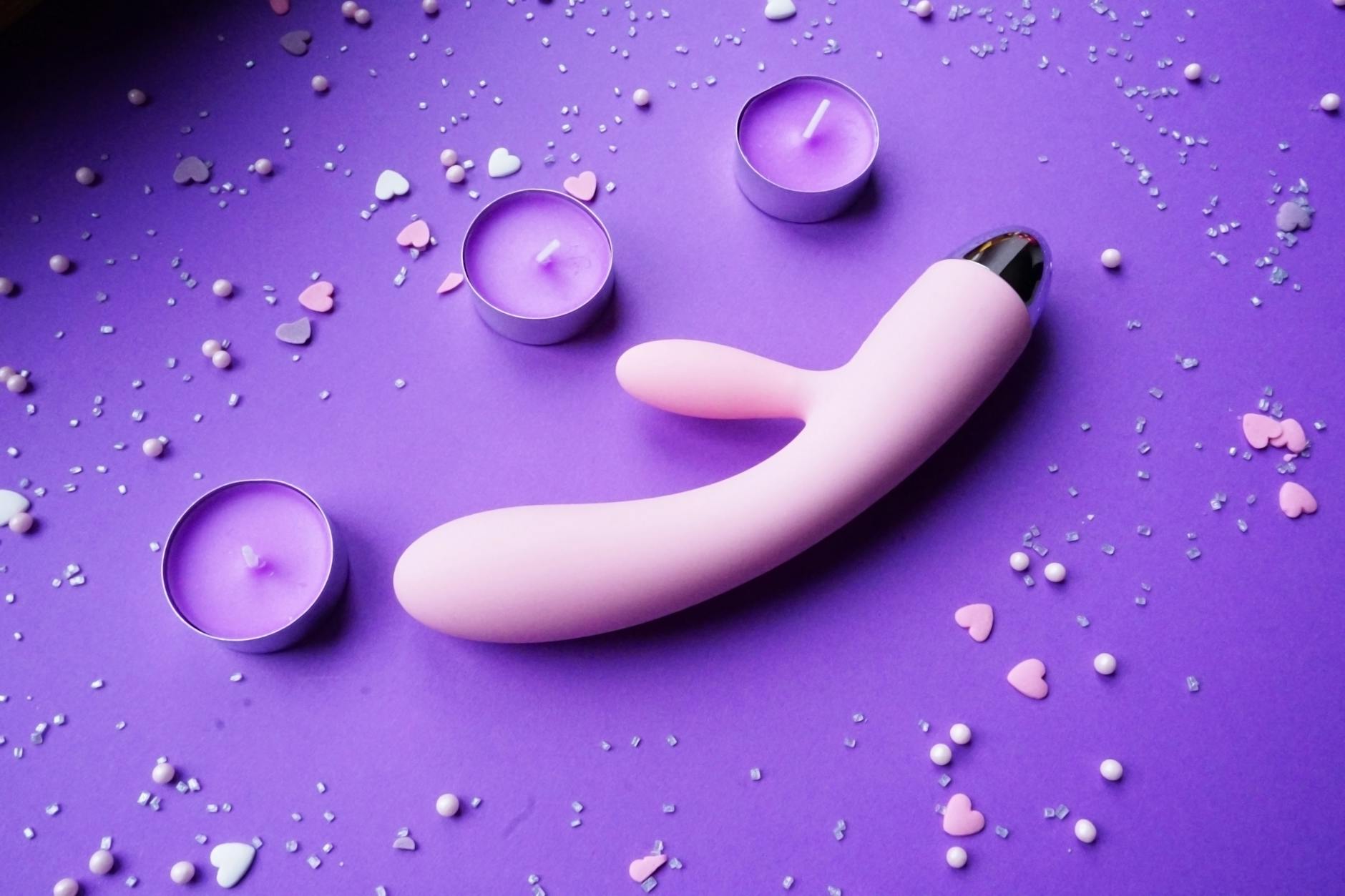
When stress becomes your nervous system's default
Here's what nobody tells you about chronic stress and sex. It's not that you stop wanting it. It's that your body stops registering that you're having it. Your partner touches you, you start to get going, and then there's this weird flatness. Like you're watching yourself from three feet away. Like the nerve signals aren't firing the way they used to.
That's your nervous system stuck in survival mode. When you're under sustained stress, your brain deprioritizes pleasure signals to focus on threat detection. Over weeks and months, this becomes your baseline. The wiring doesn't just dull. It rewires.
I've worked with hundreds of clients caught in exactly this loop. The good news: sensation can come back. But it requires both a nervous system reset and a physical tool that works with your redirected neurology. This is where lemon clitoral vibrators enter the picture.
The science of stress and sensation loss
When you're chronically stressed, your cortisol stays elevated and your parasympathetic nervous system (the one that handles rest, digestion, and arousal) goes quiet. Arousal requires parasympathetic activation. No activation, no blood flow to the clitoris. No blood flow, no engorgement. No engorgement, no sensation.
There's also a dopamine component. Chronic stress flattens dopamine production, which directly impacts how much pleasure you feel and how motivated you are to pursue it. You could have perfect physical stimulation and feel nothing, because the reward signal isn't reaching your brain.
The third piece is desensitization. When you're stressed, you unconsciously tense your pelvic floor and contract your superficial muscles. You're literally bracing yourself. Over time, this tension becomes protective habit, and sensation gets filtered through layers of muscular armor.
None of this is in your head (though stress manifests there too). It's physiology. And it responds to the right combination of nervous system work and sensory input.
Why lemon vibrators work when sensation feels blocked
Lemon suction toys work differently than traditional vibrators. Instead of direct vibration, they create a gentle suction and release pattern that stimulates the clitoral nerves without requiring the kind of direct pressure that can feel overwhelming to an overstimulated, stressed nervous system.
When your sensation is muted, what you need is not stronger stimulation. Counterintuitively, stronger stimulation often reinforces the numbness because your nervous system is already in protection mode. What you need is precise, rhythmic input that your parasympathetic nervous system can recognize as safe and pleasurable.
The Lem and other lemon clitoral vibrators deliver exactly that. The suction-and-release pattern mimics natural arousal progression and creates a sensation pathway that feels novel to your desensitized nervous system. It's like rewiring a circuit that's been dormant.
How to reset your nervous system first
Before you pick up any toy, you need to create conditions where your nervous system can actually drop out of stress mode. Three things I recommend to every client with muted sensation:
1. Daily parasympathetic activation. This is nonnegotiable. Twenty minutes of slow breathing, gentle yoga, or walking without your phone is not luxury. It's nervous system infrastructure. Your body cannot access pleasure while it's scanning for threat. You have to interrupt that cycle daily.
2. Reduce information input. Chronic stress is often chronic input overload. Your brain is processing work emails, news, family logistics, and relationship anxiety simultaneously. Pleasure requires a certain amount of mental space. Cut social media, news cycles, or work communication for one hour before solo time or sex with a partner. Not because you're weak, but because your bandwidth is legitimately used up.
3. Cold exposure (seriously). Thirty seconds in a cold shower or twenty seconds splashing cold water on your face activates the parasympathetic nervous system through the vagal brake. This sounds counterintuitive, but it trains your nervous system to drop out of stress response. Do this daily, ideally in the morning.
Building the sensation pathway back
Once you've created some parasympathetic baseline, introduce the lemon vibrator into a low-pressure environment. Solo exploration is ideal here because there's zero performance pressure.
Set aside forty-five minutes in a dark or dimly lit room. Put your phone in another room. Start with a full-body warm-up: slow touches on your arms, neck, and legs. Spend ten minutes on this. Your goal is not arousal yet. It's to wake up your tactile awareness.
When you introduce the Lem, start at the lowest setting. Place it over the clitoris but don't move it. Let the suction-and-release pattern do the work. You're not chasing sensation. You're introducing your nervous system to a new input pattern. Stay there for three to five minutes. If you feel nothing, that's fine. You're rewiring, not arriving.
Over several sessions, you can gradually move to higher intensity settings and longer sessions. The key is consistency and patience. Your nervous system learned to block sensation slowly. It will learn to open up slowly too.
When you're using the Lem with a partner
This requires a conversation that most couples skip, and that's the problem. Tell your partner that your muted sensation is a nervous system state, not a reflection of attraction or desire for them. When you introduce the lemon vibrator together, frame it as a team activity, not a performance fix.
Start with the vibrator in your hand while you're together, so you control pace and pressure. Your partner can focus on touch, kissing, or intimacy elsewhere while you manage the toy. This removes the sensation-watching cycle where your partner is watching your face for signs of pleasure, and you're stressed about not showing pleasure.
Many partners actually feel relief when they understand this. You're not asking them to do more. You're both working with your nervous system instead of against it.
The timeline: when does sensation return
Honestly, this varies wildly. Some people feel a noticeable shift in two to three weeks of consistent parasympathetic work and lemon vibrator exploration. Others take two to three months. The variable is usually how deep the stress-induced desensitization goes and whether stress is still acute or resolving.
If you're still in active, intense stress (job instability, relationship conflict, health crisis), sensation rewiring is much slower. You're trying to recalibrate while the nervous system is still in threat mode. The most successful clients are usually the ones who address the stressor alongside the sensation work. Sometimes that means therapy. Sometimes it means changing a job or setting a boundary with family. Sometimes it's both.
When to seek additional support
If after six weeks of consistent parasympathetic practice and lemon vibrator use you feel no shift in sensation, or if the muted sensation is paired with depression, anhedonia (inability to feel pleasure in anything), or intrusive thoughts, talk to a therapist. This might signal depression or trauma that needs clinical attention alongside pleasure work.
If the sensation loss happened suddenly (rather than gradually), or if it's paired with pain, see a gynecologist. Sometimes sensation changes signal hormonal shifts or other physical changes that need ruling out.
That said, the majority of stress-induced sensation loss is reversible. Your nervous system is plastic. It can learn a new baseline. How to use lemon vibrators when arousal takes longer to build covers additional pacing strategies if you're noticing slow arousal alongside the numbness.
The paradox of numbness and recovery
One last thing. The urge to "push through" numbness is real and totally human. More intensity, longer sessions, more frequency. Resist this. Your nervous system isn't lazy. It's exhausted. The pathway back to sensation is actually through slowing down, not speeding up.
When you introduce lemon suction toys alongside actual stress reduction, your nervous system gets the signal that it's safe to allocate resources back to pleasure. That's when rewiring happens. That's when sensation returns. Not as an act of willpower, but as an act of nervous system recovery.
People also ask
Can stress permanently damage your ability to feel pleasure?
No. The nervous system is plastic, meaning it can rewire and form new pathways. Even after years of chronic stress, sensation can return once the stress is resolved and you create the conditions for parasympathetic activation. That said, the longer the desensitization has been in place, the longer rewiring typically takes. Patience matters.
How long should I use a lemon vibrator each session when sensation is muted?
Start with five to ten minutes at low intensity. Longer sessions don't necessarily help more sensation return. Consistency and nervous system safety matter much more than duration. Most people see the best results with three to four sessions per week over six to twelve weeks.
Is it normal to feel nothing the first few times using a lemon clitoral vibrator?
Completely normal, especially if your sensation is significantly muted. Your nervous system is recognizing a new input pattern. Feeling nothing on the first session doesn't mean the toy won't work for you. It usually means you need more consistent practice and additional stress-reduction work before sensation kicks in. Why lemon vibrators work better than other toys for reducing clitoral overstimulation explains why gentler suction is actually the better approach here.
Can lemon vibrators help if stress is ongoing and I haven't resolved the stressor?
Yes, but recovery will be slower. You can still create pockets of parasympathetic activation (those twenty-minute breathing breaks matter) and use lemon vibrators to establish pleasure pathways even while stress is active. It's like building a tiny safe harbor while the storm is still happening. That said, true sensation recovery almost always requires some actual reduction in stress levels.
What's the difference between muted sensation from stress versus other causes?
Stress-related numbness typically comes on gradually as stress accumulates, and it often follows a pattern. You can become aroused and engaged initially, then sensation flattens. You might feel pleasure in your brain but not in your body. If your numbness came on suddenly, is accompanied by pain, or doesn't shift with stress reduction and pleasure work, talk to a healthcare provider. Other causes (hormonal changes, medications, vascular issues) need different interventions.
Should I be using higher intensity settings on my lemon vibrator if I'm not feeling anything?
Counterintuitively, no. Higher intensity often increases tension and nervous system bracing, which deepens the numbness. Start with lower settings and only increase if you feel the vibration is too subtle to register. Most people with stress-induced numbness actually need gentler, more precise stimulation, not stronger input.
Your sensation can come back
I know this feels like it's permanent. When you've been numb for months, it's hard to imagine your nervous system recalibrating. But it does. The combination of parasympathetic activation, stress reduction, and precise clitoral stimulation from tools like the Lem rewires the pleasure pathways that chronic stress muted.
Start with the breathing practice this week. Add the cold exposure next week. Pick up the lemon vibrator the week after. Give yourself six weeks of consistency before you assess whether sensation is returning. Most importantly, talk to someone if you need support with the stress itself. Pleasure comes back fastest when stress is actively resolving.
You deserve to feel good again. Your nervous system is just waiting for the signal that it's safe.